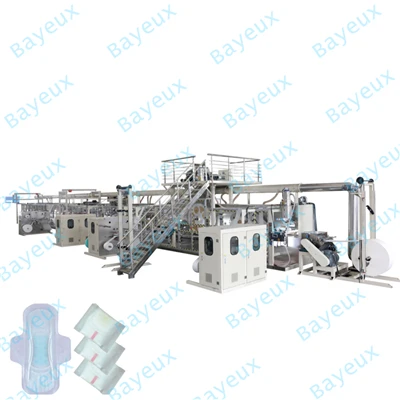
Hey there! I’m a supplier of sanitary pad machines, and I know how important it is to keep these machines clean. A well – maintained sanitary pad machine not only ensures the quality of the products but also extends the machine’s lifespan. In this blog, I’ll share some tips on how to clean a sanitary pad machine properly. SANITARY PAD MACHINE
Why is Cleaning a Sanitary Pad Machine So Important?
First off, let’s talk about why cleaning is a big deal. Sanitary pads are personal care products that come into direct contact with the human body. So, the production environment has to be super clean. If the machine isn’t cleaned regularly, there could be all sorts of contaminants like dust, debris, and leftover materials from previous production runs. These can end up in the pads, which is a huge no – no.
Secondly, a dirty machine can lead to mechanical problems. Stuff like dust and lint can get into the moving parts, causing friction and wear. This can make the machine break down more often, and that means more downtime for repairs and less production.
Pre – cleaning Preparations
Before you start cleaning, there are a few things you gotta do. First, turn off the machine and unplug it from the power source. Safety first, right? You don’t want to get electrocuted or have the machine start up unexpectedly while you’re cleaning.
Next, gather all the cleaning supplies you’ll need. You’ll probably need some mild cleaning agents, like a non – abrasive detergent, a bunch of clean rags or towels, some soft – bristle brushes, and maybe some compressed air cans. Make sure the cleaning agents you use are safe for the machine’s materials. You don’t want to use something that’ll corrode or damage the parts.
Cleaning the Exterior
Let’s start with the easy part: the exterior. Use a damp cloth with some mild detergent to wipe down the outer surfaces of the machine. Pay special attention to areas where there’s obvious dirt or grime, like around the control panels or where the operator handles the machine. Wipe in a circular motion to get rid of all the dirt.
After wiping, use a dry cloth to dry the surfaces. This prevents water spots and rust from forming. If there are any stubborn stains, you can use a soft – bristle brush to gently scrub them. Just be careful not to scratch the surface.
Cleaning the Conveyor Belts
The conveyor belts are a crucial part of the sanitary pad machine. They move the materials through the production process. Over time, they can collect a lot of debris, like bits of padding, glue, and dust.
To clean the conveyor belts, start by using compressed air to blow off any loose dirt and debris. Then, use a mild detergent and a soft cloth to wipe the belts. Be sure to get into the crevices and along the edges. If there’s any sticky residue, you can use a little bit of rubbing alcohol on a cloth to remove it.
Once you’ve wiped the belts clean, let them dry completely before turning the machine back on. This helps prevent any slipping or damage to the belts.
Cleaning the Cutting and Sealing Parts
The cutting and sealing parts are where the magic happens. They cut the pads to size and seal the edges. These parts need to be kept extremely clean because any dirt or debris can affect the quality of the cuts and seals.
First, use a brush to remove any loose particles from the cutting blades and sealing bars. Then, apply a small amount of a specialized cleaner designed for these parts. Follow the manufacturer’s instructions on how to use the cleaner. Usually, you’ll need to let it sit for a few minutes to break down the dirt and grime.
After that, use a clean cloth to wipe away the cleaner and the loosened dirt. Check the blades and bars for any signs of damage or wear. If you notice any issues, it might be time to replace them.
Cleaning the Hopper and Feeding Systems
The hopper is where the raw materials, like padding and plastic films, are loaded. The feeding systems then move these materials into the machine. These areas can get clogged with materials, which can disrupt the production process.
To clean the hopper, empty out any remaining materials. Then, use a brush to remove any stuck – on debris. You can also use compressed air to blow out any hard – to – reach areas.
For the feeding systems, check the rollers and guides for any dirt or debris. Wipe them down with a damp cloth and a mild detergent. Make sure the rollers can spin freely and that there are no blockages in the feeding channels.
Cleaning the Electrical Components
The electrical components of the machine are sensitive, so you need to be extra careful when cleaning them. First, use compressed air to blow away any dust from the electrical panels and connectors. Be gentle so you don’t damage any of the delicate parts.
If there’s any dirt or grime that the compressed air didn’t remove, you can use a dry, lint – free cloth to wipe it away. Avoid using any liquids on the electrical components unless the manufacturer specifically says it’s okay.
Post – cleaning Checks
After you’ve finished cleaning the machine, it’s important to do a few checks before you start it up again. First, make sure all the parts are dry. Any remaining moisture can cause problems later on.
Next, check that all the parts are properly reassembled. Make sure there are no loose screws or bolts, and that all the belts and chains are properly tensioned.
Finally, do a test run of the machine. Start it up and let it run for a few minutes to make sure everything is working smoothly. Check for any strange noises or vibrations. If you notice anything wrong, stop the machine immediately and investigate the issue.
Maintenance Schedule
To keep your sanitary pad machine in top shape, it’s a good idea to have a regular cleaning and maintenance schedule. You should do a basic cleaning of the machine after each production run. This includes wiping down the exterior, blowing off any loose debris from the belts and parts, and checking for any obvious issues.
Once a week, you should do a more thorough cleaning, like the one I described above. And every few months, you might want to have a professional technician come in to do a detailed inspection and maintenance of the machine.
Conclusion
Cleaning a sanitary pad machine properly is a must if you want to produce high – quality sanitary pads and keep your machine running smoothly. By following these tips, you can make sure your machine stays clean, efficient, and reliable.

If you’re in the market for a new sanitary pad machine or need some advice on machine maintenance, don’t hesitate to reach out. We’re here to help you with all your sanitary pad machine needs. If you have any questions or want to discuss a potential purchase, just drop us a line. We’ll be more than happy to have a chat and help you find the perfect machine for your business.
Diaper Raw Material References
- Industry – standard sanitary pad machine operation manuals
- Personal experience from years of supplying sanitary pad machines
Quanzhou Bayeux Industrial Co., Ltd.
Address: ROOM 805,BUILDING 3,NO,8 XIANGSHAN ROAD, XIANGSHAN COMMUNITY, QINGYANG STREET, JINJIANG QUANZHOU FUJIAN.
E-mail: yeliqun_520@163.com
WebSite: https://www.qzbayeux.com/
