Can Optical Crystical PET Thermal Laminating Film be used for laminating wood? Optical Crystical PET Thermal Laminating Film

As a supplier of Optical Crystical PET Thermal Laminating Film, I often encounter inquiries about the diverse applications of our product. One question that frequently arises is whether this film can be used for laminating wood. In this blog post, I will delve into the properties of Optical Crystical PET Thermal Laminating Film, the characteristics of wood, and analyze the feasibility of using the film for wood lamination.
Understanding Optical Crystical PET Thermal Laminating Film
Optical Crystical PET Thermal Laminating Film is a high – quality laminating material made from polyethylene terephthalate (PET). PET is a thermoplastic polymer resin that offers several remarkable properties. Firstly, it has excellent transparency. The "Optical Crystical" in its name emphasizes its ability to provide a clear, crystal – like finish. This transparency allows the underlying material’s natural appearance to shine through, making it ideal for applications where the original look of the substrate is important.
Secondly, PET has good mechanical strength. It is resistant to tearing and puncturing, which means that once laminated, the protected surface will have an extra layer of physical protection. Additionally, it has a relatively high melting point, which enables it to withstand the heat during the thermal lamination process without deforming easily. This thermal stability is crucial for ensuring a smooth and even lamination.
Another advantage is its chemical resistance. It can resist various chemicals, such as mild acids, alkalis, and solvents to a certain extent. This property helps to protect the laminated surface from chemical damage, extending its lifespan.
Characteristics of Wood
Wood is a natural and versatile material. It has a unique aesthetic appeal with its natural grain patterns, colors, and textures. Different types of wood, such as oak, maple, and pine, have distinct characteristics. For example, oak is known for its durability and prominent grain, while maple is prized for its smooth texture and light color.
However, wood also has some drawbacks. It is hygroscopic, which means it can absorb and release moisture depending on the environmental conditions. This can lead to dimensional changes, such as swelling or shrinking. Moreover, wood is susceptible to damage from insects, fungi, and scratches.
Feasibility Analysis of Using Optical Crystical PET Thermal Laminating Film for Wood Lamination
Advantages
-
Enhanced Aesthetic Appeal
The transparency of the Optical Crystical PET Thermal Laminating Film can showcase the natural beauty of the wood grain. It can give the wood a smooth, glossy finish, enhancing its visual appeal. Whether it is for furniture, decorative panels, or wooden floors, the lamination can make the wood look more luxurious and high – end. -
Physical Protection
The film’s mechanical strength can protect the wood surface from scratches, abrasions, and impacts. This is especially useful for high – traffic areas or items that are prone to physical damage. For example, in a busy household, a laminated wooden tabletop will be more resistant to scratches from daily use. -
Chemical and Environmental Protection
The chemical resistance of the film can protect the wood from spills, stains, and mild chemical exposure. It can also act as a barrier against moisture, reducing the wood’s hygroscopicity and minimizing the risk of swelling or shrinking. This is beneficial for maintaining the dimensional stability of the wood, especially in areas with fluctuating humidity levels. -
Ease of Maintenance
Laminated wood surfaces are generally easier to clean. The smooth surface of the film prevents dirt and grime from penetrating the wood, and a simple wipe with a damp cloth is often sufficient to keep it clean.
Challenges
- Adhesion
One of the main challenges is ensuring proper adhesion between the film and the wood. Wood has a porous surface, and different types of wood may have different surface characteristics. If the adhesion is not strong enough, the film may peel off over time. Special adhesives or pre – treatment of the wood surface may be required to improve adhesion. - Thermal Expansion Mismatch
Wood and PET have different coefficients of thermal expansion. When exposed to temperature changes, the wood and the film may expand or contract at different rates. This can lead to stress at the interface between the two materials, potentially causing the film to delaminate or crack. - Surface Preparation
The wood surface must be properly prepared before lamination. Any dirt, dust, or unevenness on the surface can affect the quality of the lamination. Sanding the wood to a smooth finish and cleaning it thoroughly are essential steps.
Solutions to the Challenges
- Adhesion
Conducting adhesion tests on different types of wood is crucial. We can recommend the use of specific adhesives that are designed for bonding PET to wood. Additionally, pre – treating the wood surface with primers can improve the adhesion strength. - Thermal Expansion Mismatch
To address the issue of thermal expansion mismatch, we can suggest ways to minimize the temperature fluctuations in the environment where the laminated wood is used. We can also develop films with more flexible properties to better accommodate the movement of the wood. - Surface Preparation
Provide detailed guidelines on surface preparation to our customers. This includes instructions on sanding, cleaning, and ensuring the wood surface is dry before lamination.
Case Studies
In the furniture industry, some manufacturers have successfully used our Optical Crystical PET Thermal Laminating Film for wooden cabinets. The lamination not only enhanced the appearance of the cabinets but also improved their durability. Customers reported that the laminated cabinets were easier to clean and showed less wear and tear compared to non – laminated ones.
In the flooring industry, there have been trials of using the film on wooden floors. The results showed that the lamination provided a protective layer that resisted scratches and stains, making the floors more suitable for high – traffic areas.
Conclusion
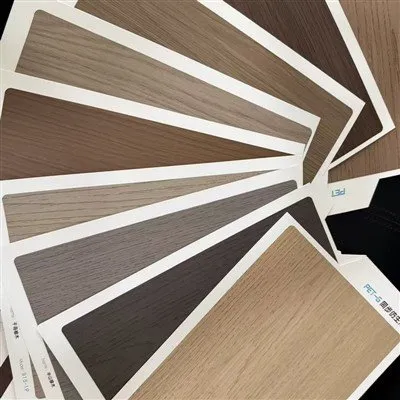
In conclusion, Optical Crystical PET Thermal Laminating Film can be used for laminating wood. It offers numerous advantages in terms of aesthetic enhancement, physical and chemical protection, and ease of maintenance. However, challenges such as adhesion, thermal expansion mismatch, and surface preparation need to be carefully addressed. As a supplier, we are committed to providing high – quality products and technical support to help our customers overcome these challenges and achieve successful wood lamination.
Thermal Laminating Film If you are interested in using Optical Crystical PET Thermal Laminating Film for your wood lamination projects, I encourage you to contact us for further discussion. We can provide samples for you to test and offer professional advice on the lamination process. Let’s work together to create beautiful and durable laminated wood products.
References
- "Polymer Science and Technology" by Fried, J. R.
- "Wood Handbook: Wood as an Engineering Material" by the U.S. Forest Products Laboratory.
Yantai Hongqing Packing Material Co., Ltd.
Yantai Hongqing Packing Material Co., Ltd. is one of the most professional optical crystical pet thermal laminating film manufacturers and suppliers in China, also supports customized service. Welcome to wholesale advanced optical crystical pet thermal laminating film made in China here and get quotation from our factory. Quality products and reasonable price are available.
Address: Eastern Industrial Park, Taocun, Yantai, Shandong Province, China
E-mail: cindy@ythongguang.cn
WebSite: https://www.hqingnewmat.com/
