Hey there! I’m a supplier of Horizontal Pipeline Centrifugal Pumps, and today I wanna talk about the efficiency of these pumps. You know, understanding the efficiency of a Horizontal Pipeline Centrifugal Pump is super important, whether you’re in the market to buy one or you’re just curious about how they work. Horizontal Pipeline Centrifugal Pump
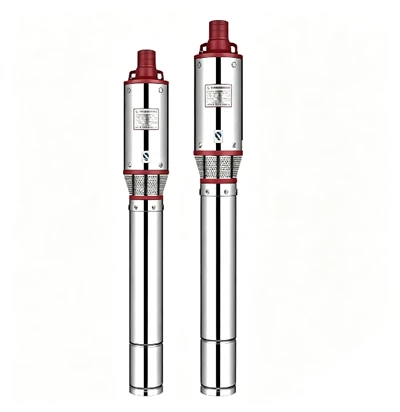
Let’s start with the basics. Efficiency in a pump is all about how well it converts the energy it takes in into useful work. In the case of a Horizontal Pipeline Centrifugal Pump, the energy input is usually electrical power that drives the motor. The useful work is moving fluid through the pipeline. We express efficiency as a percentage, and it’s calculated by dividing the useful power output (the power used to move the fluid) by the power input (the electrical power consumed).
Now, a high – efficiency pump is a real game – changer. It can save you a ton of money in the long run. Why? Well, a pump that uses less energy to do the same amount of work means lower electricity bills. This is especially crucial for industries that rely on pumps for long – term operations. For example, in a large water treatment plant, pumps are running 24/7. Even a small increase in pump efficiency can lead to significant cost savings over time.
There are several factors that affect the efficiency of a Horizontal Pipeline Centrifugal Pump. First up is the design of the impeller. The impeller is the rotating part of the pump that imparts energy to the fluid. A well – designed impeller has the right shape and size to move the fluid smoothly and efficiently. If the impeller is too small, it won’t be able to move enough fluid, and if it’s too large, it might consume more energy than necessary.
The speed of the pump also plays a big role. Generally, pumps are designed to operate at an optimal speed. If the pump runs too fast, it can cause excessive turbulence in the fluid, which wastes energy. On the other hand, if it runs too slow, it might not be able to generate enough pressure to move the fluid effectively.
The type of fluid being pumped is another important factor. Viscous fluids, like oil or some chemical solutions, are harder to pump than water. The pump has to work harder to move these thick fluids, which can reduce its efficiency. Also, the temperature of the fluid can affect its viscosity. As the temperature of a fluid increases, its viscosity usually decreases, which can make it easier to pump.
The condition of the pump itself is crucial. Over time, pumps can wear out. The impeller might get damaged, or the seals can leak. These issues can all lead to a decrease in efficiency. That’s why regular maintenance is so important. By keeping the pump in good working condition, you can ensure that it continues to operate at its peak efficiency.
Now, let’s talk about how we measure the efficiency of a Horizontal Pipeline Centrifugal Pump. There are a few different methods. One common way is to use a flow meter and a pressure gauge. The flow meter measures the volume of fluid being pumped per unit of time, and the pressure gauge measures the pressure difference across the pump. Using these two measurements, along with the power input to the pump, we can calculate the efficiency.
Another way is to use a data logger. A data logger can record the pump’s operating parameters over time, such as flow rate, pressure, and power consumption. By analyzing this data, we can get a better understanding of the pump’s efficiency and identify any trends or issues.
When it comes to choosing a Horizontal Pipeline Centrifugal Pump, efficiency should be one of your top considerations. You don’t want to end up with a pump that guzzles energy and costs you a fortune to run. But how do you know which pump is the most efficient?
Well, one thing you can do is look at the pump’s performance curves. These curves show the relationship between the pump’s flow rate, head (pressure), and power consumption at different operating speeds. By examining these curves, you can see how the pump will perform under different conditions and choose the one that is most efficient for your specific needs.
You can also look at the pump’s efficiency rating. Manufacturers usually provide this information in the pump’s specifications. A higher efficiency rating means that the pump will use less energy to do the same amount of work. However, it’s important to note that the efficiency rating is usually based on ideal conditions, so in real – world applications, the actual efficiency might be a bit lower.
As a supplier, I’ve seen firsthand how important pump efficiency is for our customers. We work hard to provide pumps that are not only reliable but also highly efficient. Our engineering team is constantly researching and developing new technologies to improve the efficiency of our pumps. For example, we’ve been experimenting with new impeller designs that can reduce turbulence and increase the pump’s overall efficiency.
We also offer technical support to our customers. If you’re having trouble with your pump or you’re not sure which pump is right for your application, our team of experts is here to help. We can analyze your system requirements, recommend the best pump for your needs, and even provide on – site installation and maintenance services.
In conclusion, the efficiency of a Horizontal Pipeline Centrifugal Pump is a crucial factor that can have a big impact on your bottom line. By understanding the factors that affect efficiency, measuring it accurately, and choosing the right pump for your needs, you can save money on energy costs and ensure that your pumping system operates smoothly.
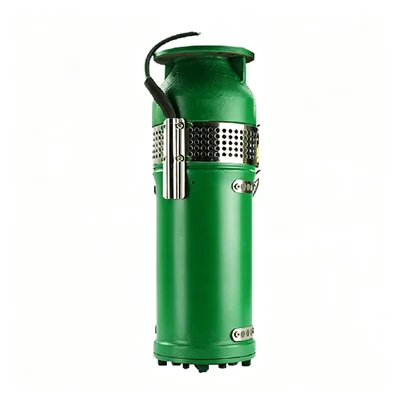
If you’re in the market for a Horizontal Pipeline Centrifugal Pump, or if you just have some questions about pump efficiency, don’t hesitate to get in touch. We’re here to offer you the best solutions and help you make an informed decision. Let’s start a conversation about how we can improve your pumping operations and save you money in the process.
WZB Smart Self-priming Pump References:
- Pump Handbook, Karassik et al.
- Centrifugal Pumps: Fundamentals, Applications, and Design, Stepanoff A. J.
Longbiao Pump Industry Co., Ltd.
We are one of the most professional horizontal pipeline centrifugal pump manufacturers and suppliers in China, featured by quality products and low price. Please rest assured to buy discount horizontal pipeline centrifugal pump for sale here from our factory. We also accept customized orders.
Address: Unit 101, Building 11, Pan’ao Entrepreneurship Park, Daxi Town, Wenling City, Taizhou City, Zhejiang Province, P.R. China
E-mail: 1653746797@qq.com
WebSite: https://www.cnlongbiao.com/
