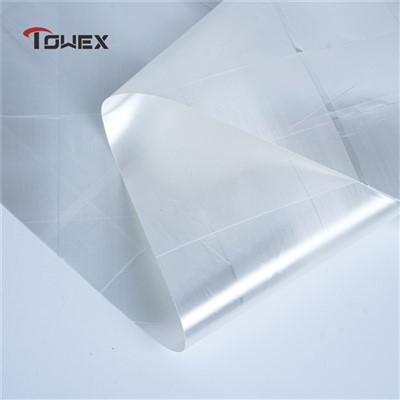
As a supplier of flame retardant fabric, one of the most common questions I receive from customers is about the appropriate ironing temperature for these specialized materials. Flame retardant fabrics are designed to resist ignition and slow the spread of fire, which makes them a popular choice for various applications, including workwear, home furnishings, and industrial settings. However, improper ironing can potentially damage the fabric’s flame retardant properties and its overall quality. In this blog, I will delve into the factors that determine the ideal ironing temperature for flame retardant fabrics and provide some practical guidelines to help you maintain the integrity of these valuable materials. Flame Retardant Fabric
Understanding Flame Retardant Fabrics
Before we discuss the ironing temperature, it’s essential to understand the nature of flame retardant fabrics. These fabrics are typically treated with chemicals or additives that create a barrier to prevent the spread of flames. The treatment may be incorporated into the fibers during the manufacturing process or applied as a coating after the fabric is woven. Different types of flame retardant treatments have varying heat resistance levels, which is a key factor in determining the safe ironing temperature.
Common types of flame retardant fabrics include those treated with halogen – based compounds, phosphorus – based compounds, and inorganic substances like antimony trioxide. Each type has its unique chemical properties and heat sensitivities. For example, halogen – based flame retardants are effective at suppressing flames, but they can be more sensitive to high temperatures, which may cause discoloration or degradation of the fabric.
Factors Affecting Ironing Temperature
Several factors come into play when deciding the appropriate ironing temperature for flame retardant fabric:
Fabric Composition
The base material of the fabric, such as cotton, polyester, or a blend, significantly affects its heat tolerance. Natural fibers like cotton can generally withstand higher temperatures compared to synthetic fibers. Polyester, for instance, melts at relatively low temperatures, so ironing it at too high a setting can lead to melting and permanent damage. A blended fabric may require a temperature that is a compromise between the heat tolerances of its individual components.
Flame Retardant Treatment
Different flame retardant treatments have their own temperature limits. Some treatments may start to break down or lose their effectiveness when exposed to high temperatures. The manufacturer’s instructions are crucial here, as they often specify the maximum safe ironing temperature for fabrics with a particular flame retardant treatment.
Fabric Thickness
Thicker fabrics can typically handle higher ironing temperatures better than thinner ones. Thicker materials have more mass to absorb and dissipate heat, reducing the risk of overheating and damage to the flame retardant properties.
Recommended Ironing Temperatures
Based on the factors mentioned above, here are some general guidelines for ironing different types of flame retardant fabrics:
Cotton – Based Flame Retardant Fabrics
Cotton is a heat – resistant natural fiber. For cotton – based flame retardant fabrics, an ironing temperature of around 180 – 200°C (356 – 392°F) is usually safe. However, it’s important to check the specific instructions from the flame retardant treatment manufacturer, as some treatments may require a lower temperature.
Polyester – Based Flame Retardant Fabrics
Polyester has a lower melting point. For polyester – based flame retardant fabrics, the ironing temperature should be kept between 110 – 130°C (230 – 266°F). Using a higher temperature can cause the polyester fibers to melt, ruining the fabric and potentially affecting its flame retardant properties.
Blended Flame Retardant Fabrics
Blended fabrics, such as cotton – polyester blends, require a more cautious approach. A good starting point is to set the iron at a medium temperature, around 140 – 160°C (284 – 320°F), and test a small, inconspicuous area of the fabric first. This allows you to see how the fabric responds to the heat without risking damage to the entire piece.
Tips for Ironing Flame Retardant Fabric
- Use a Press Cloth: A press cloth, such as a thin cotton or muslin cloth, can act as a barrier between the iron and the flame retardant fabric. This helps to distribute the heat more evenly and reduces the direct contact of the iron’s high – temperature surface with the fabric.
- Test an Inconspicuous Area: Before ironing the entire fabric, test a small, hidden area to ensure that the temperature does not cause any damage, such as discoloration or melting.
- Avoid Steam on Certain Fabrics: Some flame retardant treatments may be sensitive to steam. Check the fabric’s care instructions to see if steam is recommended or if it should be avoided.
- Iron from the Wrong Side: Ironing from the wrong side of the fabric can help protect the face of the fabric from direct heat and potential damage.
Importance of Maintaining Flame Retardant Properties
Proper ironing is not just about maintaining the fabric’s appearance; it’s also crucial for preserving its flame retardant properties. Flame retardant fabrics are often used in situations where fire safety is a top priority. If the fabric is ironed at too high a temperature, the flame retardant treatment may be compromised, reducing the fabric’s ability to resist fire and putting users at risk.
Conclusion
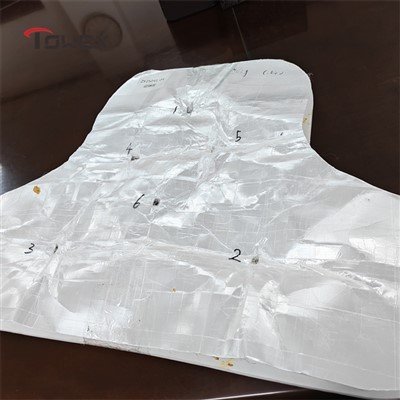
As a supplier of flame retardant fabrics, I understand the importance of providing our customers with accurate information on how to care for these specialized materials. The appropriate ironing temperature for flame retardant fabric depends on several factors, including fabric composition, flame retardant treatment, and fabric thickness. By following the recommended temperature guidelines and using proper ironing techniques, you can ensure that your flame retardant fabrics remain in excellent condition and retain their fire – resistant properties.
High Abrasion Resistant Fabric If you are in the market for high – quality flame retardant fabrics or have any questions about their care and usage, I encourage you to reach out to us. We are here to assist you in finding the right fabric for your specific needs and to provide you with the support and guidance you require. Our team of experts is well – versed in the properties and applications of flame retardant fabrics and can help you make informed decisions.
References
- Textile Institute. "Handbook of Textile Fibre Structure." Woodhead Publishing, 2011.
- ASTM International. "Standard Test Methods for Flame Resistance of Textiles." ASTM D6413 – 11, 2011.
- Manufacturers’ documentation of flame retardant fabric treatments.
Jiaxing Towex New Materials Co., Ltd.
Jiaxing Towex New Materials Co., Ltd. is one of the most experienced flame retardant fabric manufacturers and suppliers in China, also supports customized service with low price. Please feel free to buy bulk high quality flame retardant fabric in stock here from our factory. Contact us for quotation.
Address: Building 1666, Wuzhen High-tech Zone, Tongxiang City, Zhejiang Province
E-mail: sales@towextech.com
WebSite: https://www.topuhmwpe.com/
