As a supplier of Mid-Wave Infrared (MWIR) camera lenses, I am often asked about the potential applications of our products. One question that has recently come up more frequently is whether MWIR camera lenses can be used for building inspection. In this blog post, I will explore the capabilities of MWIR camera lenses and discuss their viability for building inspection purposes. MWIR Camera Lens
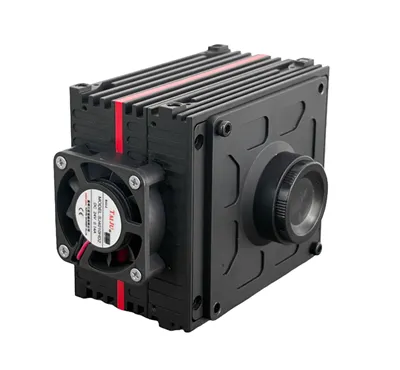
Understanding MWIR Camera Lenses
MWIR camera lenses operate in the mid-wave infrared spectrum, which ranges from approximately 3 to 5 micrometers. This part of the electromagnetic spectrum has several unique properties that make it suitable for a variety of applications. Unlike visible light, which is reflected by objects, infrared radiation is emitted by all objects with a temperature above absolute zero. This means that MWIR cameras can detect the heat signatures of objects, even in complete darkness or through certain types of obscurants.
The ability to detect heat signatures is what makes MWIR camera lenses so valuable in many industries. For example, in the military and aerospace sectors, MWIR cameras are used for surveillance, target detection, and navigation. In the industrial sector, they are used for thermal imaging, process monitoring, and quality control. But what about building inspection? Can MWIR camera lenses provide useful information for building inspectors?
Benefits of Using MWIR Camera Lenses for Building Inspection
There are several potential benefits to using MWIR camera lenses for building inspection:
Detecting Thermal Anomalies
One of the primary advantages of MWIR camera lenses is their ability to detect thermal anomalies in buildings. These anomalies can indicate a variety of problems, such as insulation deficiencies, plumbing leaks, electrical issues, and air infiltration. By identifying these issues early, building owners and managers can take corrective action to prevent further damage and reduce energy costs.
For example, an insulation deficiency will cause a building to lose heat more quickly in the winter and gain heat more quickly in the summer. This will result in a visible thermal pattern on the exterior of the building, which can be detected by an MWIR camera. Similarly, a plumbing leak will cause a localized increase in temperature, which can also be detected using thermal imaging.
Assessing Building Envelope Integrity
The building envelope is the physical separator between the interior and exterior of a building. It includes the walls, roof, windows, and doors, and plays a crucial role in maintaining the building’s energy efficiency and comfort. MWIR camera lenses can be used to assess the integrity of the building envelope by detecting air leaks, moisture intrusion, and other issues.
Air leaks can occur around windows, doors, and other openings in the building envelope, and can significantly reduce the energy efficiency of a building. By using an MWIR camera to detect these leaks, building owners can seal them up and improve the building’s insulation. Moisture intrusion can also be a problem, as it can lead to mold growth, structural damage, and other issues. MWIR cameras can detect moisture by looking for areas of lower temperature, which indicate the presence of water.
Inspecting Roofs
Roofs are one of the most critical components of a building, as they protect the interior from the elements. However, they are also prone to damage and wear over time. MWIR camera lenses can be used to inspect roofs for a variety of issues, such as leaks, insulation problems, and structural damage.
By detecting leaks early, building owners can prevent water damage to the interior of the building. Insulation problems can also be detected using thermal imaging, which can help building owners identify areas where the insulation is inadequate. Structural damage, such as cracks or sagging, can also be detected by looking for changes in the thermal pattern of the roof.
Challenges of Using MWIR Camera Lenses for Building Inspection
While there are many potential benefits to using MWIR camera lenses for building inspection, there are also some challenges that need to be addressed:
Limited Resolution
MWIR cameras typically have lower resolution than visible light cameras, which can make it more difficult to identify small details. This can be a problem when inspecting buildings, as many of the issues that need to be detected are small, such as cracks in the walls or leaks in the plumbing.
Environmental Factors
The performance of MWIR cameras can be affected by environmental factors, such as temperature, humidity, and wind. For example, high humidity can cause water vapor to absorb infrared radiation, which can reduce the camera’s sensitivity. Wind can also cause the temperature of the building to fluctuate, which can make it more difficult to detect thermal anomalies.
Cost
MWIR cameras and lenses are typically more expensive than visible light cameras and lenses. This can make it difficult for some building inspection companies to justify the cost of purchasing this equipment.
Overcoming the Challenges
Despite the challenges, there are several ways to overcome them and make MWIR camera lenses a valuable tool for building inspection:
Improve Resolution
Advances in technology are constantly improving the resolution of MWIR cameras. Newer models are capable of producing higher-resolution images, which can make it easier to identify small details. Additionally, some MWIR cameras are equipped with features such as digital zoom and image enhancement, which can further improve the resolution.
Consider Environmental Factors
When using MWIR cameras for building inspection, it is important to consider the environmental factors that can affect their performance. For example, it is best to conduct inspections on a calm, dry day when the temperature is relatively stable. Additionally, it is important to calibrate the camera before use to ensure accurate results.
Evaluate Cost vs. Benefits
While MWIR cameras and lenses are more expensive than visible light cameras and lenses, it is important to evaluate the cost vs. benefits. By identifying and addressing problems early, building owners can save money in the long run by preventing further damage and reducing energy costs. Additionally, the use of MWIR camera lenses can improve the accuracy and efficiency of building inspections, which can lead to increased customer satisfaction and repeat business.
Conclusion
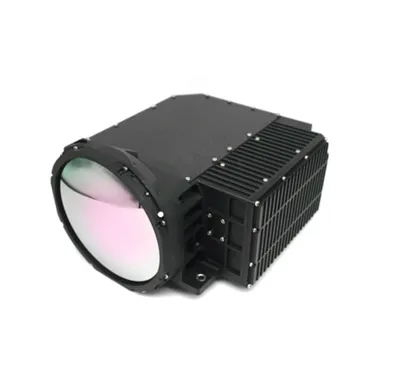
In conclusion, MWIR camera lenses have the potential to be a valuable tool for building inspection. Their ability to detect thermal anomalies, assess building envelope integrity, and inspect roofs can provide building owners and managers with valuable information about the condition of their buildings. While there are some challenges that need to be addressed, such as limited resolution, environmental factors, and cost, these challenges can be overcome through advances in technology and careful consideration of the environmental conditions.
Anti Drone System If you are interested in learning more about how MWIR camera lenses can be used for building inspection or if you are considering purchasing this equipment for your building inspection business, please contact us for a free consultation. Our team of experts can provide you with more information about our products and services and help you determine if MWIR camera lenses are the right choice for your needs.
References
- "Thermal Imaging for Building Inspections" by the American Society of Home Inspectors
- "Infrared Thermography: Applications in Building Diagnostics" by the National Institute of Standards and Technology
- "Mid-Wave Infrared (MWIR) Imaging Technology" by the Photonics Handbook
Xi’an Zhongke Lead Ir-Tech Co., Ltd.
We are one of the most experienced mwir camera lens manufacturers in China, specialized in providing high quality OEM products with the industrial grade. We warmly welcome you to wholesale high performance mwir camera lens at an affordable price from our factory.
Address: Building 8,Hard Technology Enterprise Community No.3000,Biyuan 2nd Rd,High-Tech Zone Xi’an,Shaanxi,China
E-mail: sales@lead-ir.com
WebSite: https://www.leadinfrared.com/
