As a supplier of raised flooring, I’ve encountered numerous inquiries about how raised flooring effectively handles water drainage. This topic isn’t just a technical detail; it’s a critical aspect that can significantly impact the functionality and longevity of a raised flooring system, especially in environments prone to moisture or water exposure. In this blog, I’ll delve into the mechanisms, benefits, and considerations of water drainage in raised flooring, offering insights based on my years of experience in the industry. Raised Flooring
Understanding Raised Flooring and Its Drainage Needs
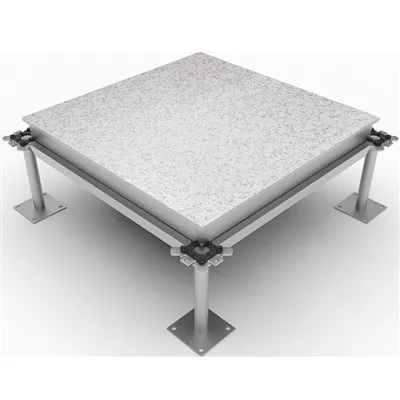
Raised flooring, also known as access flooring, is a type of flooring system that is elevated above the structural floor. It creates a void space beneath the surface, which can be used to conceal electrical wiring, plumbing, and HVAC ducts. This design not only provides easy access to these services but also allows for the effective management of water.
In many commercial and industrial settings, the risk of water damage is a real concern. Water can seep in from various sources, such as leaks in plumbing systems, floods, or even moisture from the ground. Without proper drainage, water can accumulate beneath the floor, leading to issues such as mold growth, corrosion of electrical components, and structural damage to the raised flooring system itself. Therefore, a well-designed water drainage system is essential to protect the integrity of the flooring and the equipment installed above it.
Mechanisms of Water Drainage in Raised Flooring
Natural Gravity Drainage
One of the simplest and most common methods of water drainage in raised flooring is through natural gravity. The raised floor is designed with a slight slope, typically around 1/8 inch per foot, towards a designated drain. When water enters the space beneath the floor, it naturally flows down the slope and into the drain. This method is effective for small amounts of water and is often used in conjunction with other drainage techniques.
Perforated Tiles
Perforated tiles are another popular solution for water drainage in raised flooring. These tiles have small holes or slots that allow water to pass through and into the void space below. The water can then be directed towards the drain using the natural slope of the floor. Perforated tiles are particularly useful in areas where water is likely to spill, such as near sinks or water coolers.
Drainage Channels
In some cases, drainage channels are installed beneath the raised floor to collect and direct water towards the drain. These channels are typically made of plastic or metal and are designed to be resistant to corrosion and clogging. They can be installed in a grid pattern to ensure that water is effectively drained from all areas of the floor.
Sump Pumps
For larger areas or in situations where the water influx is significant, sump pumps may be used in conjunction with the drainage system. Sump pumps are installed in a pit beneath the floor and are designed to automatically pump water out of the void space when the water level reaches a certain point. This ensures that the water doesn’t accumulate and cause damage.
Benefits of Effective Water Drainage in Raised Flooring
Protection Against Water Damage
The primary benefit of effective water drainage in raised flooring is the protection it provides against water damage. By quickly removing water from the space beneath the floor, the risk of mold growth, corrosion, and structural damage is significantly reduced. This helps to extend the lifespan of the raised flooring system and the equipment installed above it.
Improved Air Quality
Water accumulation beneath the floor can create a breeding ground for mold and bacteria, which can have a negative impact on indoor air quality. Effective water drainage helps to prevent the growth of these contaminants, ensuring a healthier environment for occupants.
Easy Maintenance
A well-designed water drainage system in raised flooring is relatively easy to maintain. Regular inspections and cleaning of the drains and channels can help to prevent clogging and ensure that the system is functioning properly. This reduces the need for costly repairs and replacements in the long run.
Flexibility and Adaptability
Raised flooring with a good water drainage system offers flexibility and adaptability. The void space beneath the floor can be easily accessed for maintenance and repairs, and the flooring can be reconfigured or expanded as needed. This makes it an ideal solution for a variety of commercial and industrial applications.
Considerations for Designing a Water Drainage System in Raised Flooring
Site-Specific Requirements
The design of a water drainage system in raised flooring should be based on the specific requirements of the site. Factors such as the location of the building, the potential sources of water, and the expected water volume should be taken into account. For example, in areas prone to flooding, a more robust drainage system may be required.
Compatibility with Other Systems
The water drainage system should be designed to be compatible with other systems installed in the raised flooring, such as electrical wiring, plumbing, and HVAC ducts. Care should be taken to ensure that the drainage system doesn’t interfere with the operation of these systems and vice versa.
Maintenance and Accessibility
The drainage system should be designed to be easily accessible for maintenance and repairs. This includes providing access panels or manholes to the void space beneath the floor and ensuring that the drains and channels are easy to clean and unclog.
Regulatory Compliance
The design and installation of a water drainage system in raised flooring should comply with all relevant building codes and regulations. This includes requirements for the slope of the floor, the size and capacity of the drains, and the use of approved materials.
Conclusion

In conclusion, effective water drainage is a crucial aspect of raised flooring design, especially in environments where water damage is a concern. By understanding the mechanisms, benefits, and considerations of water drainage in raised flooring, you can make informed decisions about the design and installation of a system that meets your specific needs. As a supplier of raised flooring, I’m committed to providing high-quality products and solutions that offer reliable water drainage and protection against water damage.
Raised Flooring Systems If you’re interested in learning more about our raised flooring products and how they can effectively handle water drainage, please don’t hesitate to contact us for a consultation. Our team of experts is ready to assist you in finding the right solution for your project.
References
- Building Code Requirements for Access Flooring Systems.
- Best Practices for Water Management in Commercial Buildings.
- Technical Guidelines for Raised Flooring Installation and Maintenance.
Fineco Tech Co., Ltd.
As one of the most professional raised flooring manufacturers and suppliers in China, we’re featured by quality products and good service. Welcome to wholesale customized raised flooring made in China here from our factory. If you have any enquiry about cooperation, please feel free to email us.
Address: Wuyue Square, Wujin District, Changzhou, Jiangsu, China
E-mail: info@finecotech.com
WebSite: https://www.finecoglobal.com/
