When my mother was diagnosed with type 2 diabetes 12 years ago, I had no idea how overwhelming daily management would become. The countless blood sugar checks, medication schedules, meal planning, and constant risk of complications felt like a full-time job I couldn’t keep up with while working and caring for my own young kids. That’s when I first saw the gap our home healthcare company was built to fill: patients shouldn’t have to choose between managing a chronic disease and living a full life in the comfort of their own home. For nearly a decade, we’ve walked alongside thousands of patients navigating conditions like diabetes, heart disease, COPD, and arthritis, and the support we offer goes far beyond the basic visits many people assume home healthcare provides. Home Healthcare
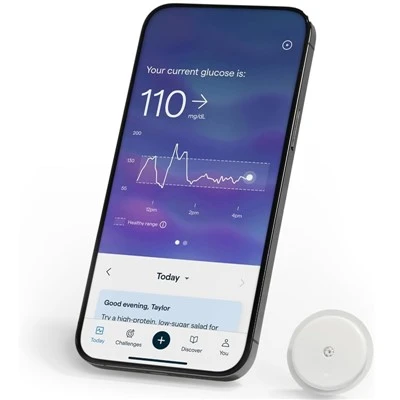
One of the most foundational forms of support we deliver is personalized care planning tailored to each patient’s unique needs. Unlike a one-size-fits-all approach that often comes with institutional care, our team works with patients, their families, and their primary care providers to create a roadmap that fits their lifestyle. For a 62-year-old retiree with COPD who lives alone, that might mean twice-weekly visits to help with breathing treatments, track oxygen levels, and adjust their activity plan to avoid flare-ups. For a 48-year-old working parent with type 1 diabetes, it could include flexible evening and weekend sessions to help them integrate blood sugar management around their work schedule, teaching them how to adjust insulin doses for meal times, and connecting them with nutrition guidance that fits their busy routine. This personalized approach doesn’t just improve health outcomes—it also builds trust, which is critical for patients who might be resistant to care or struggling to follow complex treatment plans.
Medication adherence is one of the biggest challenges for people with chronic diseases, and it’s a leading cause of hospital readmissions. We’ve seen firsthand how patients miss doses because they forget, can’t open packaging, or don’t understand why a new medication is important. Our care teams help with medication management in practical, hands-on ways. For example, we can set up medication organizers, remind patients when to take doses, and even administer injectable medications like insulin or blood thinner shots for those who struggle with self-injection. Beyond that, we take the time to explain why each medication matters, address concerns about side effects, and adjust plans when a patient’s doctor makes changes. A few months ago, we worked with a 70-year-old with hypertension who was skipping his blood pressure pills because he felt they made him dizzy. Instead of just telling him to take them, our nurse sat with him, reviewed his doctor’s notes, worked with his provider to adjust the timing, and taught him how to stand slowly to reduce dizziness. Within a month, his blood pressure was within a healthy range, and he was taking his medications consistently. That’s the kind of support that turns “non-adherent” patients into confident self-managers.
Chronic diseases often lead to physical limitations that make even daily tasks hard—tasks like bathing, dressing, preparing meals, or moving around the home. Many people think home healthcare is just about helping with these activities, but when done well, it’s about preserving independence. We don’t take over these tasks for patients; instead, we help them build the skills or use adaptive tools to do as much as they can on their own. For a patient with arthritis who struggles to button shirts, we might show them how to use button hooks or adaptive clothing that reduces strain, rather than dressing them. For someone recovering from a knee replacement, we work with physical therapists to create a plan for walking safely around their home, using handrails, and getting in and out of chairs without help. This approach doesn’t just improve physical function—it boosts mental health and self-esteem, which are often overlooked parts of managing chronic illness. When a patient can still feed themselves or get to the bathroom alone, they feel more in control of their life, which has a direct impact on their overall health.
Mental health is another critical piece of care that home healthcare addresses, often more effectively than institutional settings. Chronic disease can be isolating: patients may miss social events, feel like a burden on their family, or struggle with anxiety or depression from managing symptoms long-term. Our care teams spend time not just on tasks, but on connecting with patients. A caregiver might sit and chat with a patient while they prepare lunch, ask about their day, or help them video call a grandchild. We also screen regularly for signs of depression or anxiety, and work with mental health providers to integrate support into the care plan. Last year, a patient with COPD told us she hadn’t left her house in three months because she was afraid of having an episode in public. Our team worked with her to build a gradual plan: first, short walks to her porch, then to the end of the driveway, then to a nearby park. Each step was paired with support to manage her breathing, and we checked in on her mental health regularly. Within six months, she was meeting friends for coffee at a local café—something she thought she’d never do again. That’s the power of holistic home care: it cares for the whole person, not just their disease.
We also play a key role in care coordination, which is often a source of frustration for patients and families dealing with complex chronic conditions. Patients with multiple chronic diseases often see several specialists, and it’s easy for information to fall through the cracks. Our care team acts as a single point of contact, sharing updates with all providers, making sure medication schedules align, and helping patients keep track of appointments. For example, when a patient with both diabetes and heart disease needs to see an endocrinologist and a cardiologist, our care coordinator will schedule both appointments, drive the patient to them, and take notes to share with both doctors. We also help families navigate the healthcare system, explaining insurance coverage, answering questions about treatments, and supporting them when they need to make decisions about care. This takes a huge weight off patients and their loved ones, who are already stressed by managing a chronic illness.
Preventing complications is one of the most impactful things home healthcare does for chronic disease patients. Many complications—like foot ulcers in diabetics, respiratory infections in COPD patients, or falls in older adults—can be avoided with regular monitoring and early intervention. Our nurses conduct regular check-ins to track vital signs, monitor symptoms, and spot small changes that could signal a bigger problem. For a diabetic patient, that means weekly foot checks to catch blisters or cuts that could turn into serious infections. For a heart disease patient, it means monitoring weight, fluid levels, and symptoms like chest pain or shortness of breath. We teach patients and their families to recognize warning signs too, so they can act quickly if something goes wrong. Last year, we noticed a small red area on a patient’s foot during a routine visit. We notified his doctor right away, who prescribed antibiotics, and we were able to prevent an infection that would have required amputation. That’s the kind of early detection that saves limbs, reduces hospital stays, and improves quality of life.
It’s important to note that home healthcare isn’t just for older adults. We work with patients of all ages, from young adults with multiple sclerosis to teenagers with cystic fibrosis. For a 22-year-old with MS who’s starting to have mobility issues, our team provides adaptive equipment, teaches them how to manage fatigue, and helps them stay independent as they navigate college or work. For a teenager with cystic fibrosis, we support them with respiratory treatments, monitor their lung function, and help them work with their school to create a care plan that lets them participate in class activities without interrupting their treatment. Chronic disease doesn’t discriminate by age, and neither should the care we provide.
As a home healthcare provider, we’ve seen time and again that care delivered at home is more effective than care in a hospital or clinic for many chronic conditions. Patients recover faster, have better medication adherence, report higher satisfaction, and experience fewer complications. But we also know that every patient’s needs are different, and there’s no one-size-fits-all solution. That’s why we prioritize listening first: listening to what a patient can do, what they need help with, what their goals are, and what they’re worried about. Too often, healthcare is focused on what providers think is best, but the best care is centered on the patient’s own life and priorities.
If you or a loved one is living with a chronic disease and feeling overwhelmed by daily management, you don’t have to go through it alone. Our team is here to build a care plan that fits your life, supports your goals, and helps you stay healthy and independent at home. We understand the challenges that come with chronic illness, and we’re committed to providing compassionate, personalized care that makes a real difference. To learn more about how we can support you or your family, please reach out to our team to discuss your needs and find the right care solution.
Diabetes Healthcare References
- Centers for Disease Control and Prevention. (2022). Chronic Disease Overview. Retrieved from CDC website
- Agency for Healthcare Research and Quality. (2021). The Role of Home Health Care in Managing Chronic Conditions. Retrieved from AHRQ website
- World Health Organization. (2020). Global Report on Chronic Diseases. Retrieved from WHO website
- American Heart Association. (2022). Home Health Care for Heart Disease Patients. Retrieved from AHA website
- National Association for Home Care & Hospice. (2021). Benefits of Home Healthcare for Chronic Disease Management. Retrieved from NAHC website
Eurosun Technology (Shanghai) Co., Ltd.
As one of the most professional home healthcare equipment manufacturers and suppliers in China, we have world-leading production equipment and strong manufacturing capabilities. We warmly welcome you to wholesale high quality home healthcare equipment in stock here from our factory.
Address: No.485, Xingmei Road, Minhang District, Shanghai
E-mail: eurosun6661216@163.com
WebSite: https://www.eurosunmedical.com/
