When I first started in the removable prostheses supply business over a decade ago, I used to get the same question from every new client—dentists, clinic managers, and even patients who’d been told they’d “outgrown” their partial dentures or full lower bridges. “Are removable prostheses really safe for long-term use?” It’s a loaded question, and for good reason. Back in the early 2000s, stories circulated about ill-fitting partials causing gum irritation, bone loss, or even systemic issues, and those rumors stuck. As someone who’s spent years working directly with dental labs to refine every curve of the prostheses we supply, I’ve seen firsthand how the right approach to long-term use isn’t just about safety—it’s about quality, education, and consistent care. Let me break this down the way I explain it to my dental partners, no jargon, no fluff. Removable Prostheses
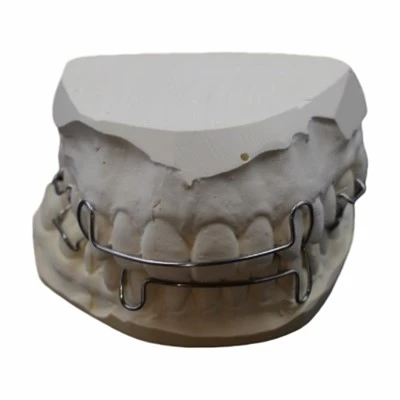
First, let’s set the record straight: removable prostheses are not a “stopgap” for people who can’t afford implants or fixed bridges anymore. When designed, fabricated, and maintained correctly, they’re a safe, reliable long-term solution for millions of people. I’ve got a client who’s been wearing the same upper partial denture we supplied him for 12 years, and he’s not an anomaly. He gets his annual checkups, his dentist adjusts it just a tiny bit when he notices a little shift, and there’s no sign of gum recession, bone loss, or any complications. That’s the reality when people treat their prostheses like the medical devices they are, not a set-it-and-forget-it accessory.
The biggest myth I hear is that removable prostheses cause bone loss. Let’s address that head-on. Bone loss in the jaw after tooth extraction happens naturally, regardless of whether you replace the missing teeth. The real culprit there is lack of functional stimulation—your jawbone needs pressure from chewing to stay dense. A poorly fitted removable prosthesis that doesn’t distribute that pressure correctly will accelerate bone loss, but a well-fitted one does the opposite: it mimics the natural chewing force that your jawbone relies on. That’s why I work so closely with our dental partners to make sure every prosthesis we supply is customized to the patient’s unique jaw shape, bite alignment, and even the way their gums sit. One size doesn’t fit all, and cutting corners there is where safety risks start.
Another common concern is oral health. Do removable prostheses increase the risk of gum disease or cavities? Again, not if you follow proper care protocols. I’ve seen people who wear their full dentures to bed every night, skip cleaning them thoroughly, and end up with a buildup of plaque that irritates their gums. But that’s a hygiene issue, not a problem with the prostheses themselves. In fact, some studies show that when patients are educated on daily cleaning—brushing their natural teeth twice a day, soaking their prostheses overnight in a gentle cleanser, and avoiding abrasive toothpastes that scratch the acrylic—their oral health stays as good as someone with fixed restorations. The key here is that removable prostheses require a different kind of care, not more work. As a supplier, I don’t just send out a prosthesis and move on; I work with our partners to provide patient education materials that lay out exactly how to care for their device for years.
Let’s talk about materials, because that’s where a lot of safety questions start. Early removable prostheses were made with rigid acrylic that was heavy, inflexible, and prone to cracking. Today, we use high-grade medical acrylic resins that are biocompatible, meaning they don’t react with oral tissues. We also offer cobalt-chromium or titanium frameworks for partials, which are lightweight, strong, and resistant to corrosion. These materials have been tested for decades, and there’s no evidence that long-term use of these materials causes adverse reactions. I’ve had patients with metal allergies who’ve worn our titanium partials for 8 years with no issues—this isn’t the 1950s, when materials were far less refined.
Of course, that doesn’t mean there are no risks. The only time removable prostheses become unsafe for long-term use is when they’re not properly fitted, adjusted, or replaced as needed. A prosthesis that’s 5 to 10 years old will naturally wear down: the acrylic can thin, the clasps that hold partials in place can loosen, and the fit will shift as the gums heal or change over time. That’s why regular follow-ups with a dentist are non-negotiable. I tell my dental partners to schedule annual check-ins for their patients with removable prostheses—this is where we can catch small issues before they become big ones. Last year, a clinic partner reached out to me because one of their patients’ lower partial had a loose clasp; we worked with their lab to fabricate a new clasp in 48 hours, and the patient avoided gum irritation that would’ve led to more serious problems. It’s a collaborative process, not just a one-time sale.
I also get questions about older patients, who make up a big part of our client base. Many dentists worry that elderly patients might not be able to manage the care of removable prostheses. The truth is, most can—with a little help. Simple adjustments, like adaptive toothbrushes for cleaning, or having a caregiver assist with nightly soaking, go a long way. And for patients who can’t tolerate invasive procedures like implants, removable prostheses are often the safest, most realistic option. I had an 82-year-old client whose dentist tried to talk him into implants, but he had a heart condition that made surgery too risky. The removable full denture we supplied him 7 years ago has been a game-changer for his quality of life—he can eat his favorite foods, talk without embarrassment, and there haven’t been any safety issues. That’s the kind of outcome that makes this work worth doing.
Now, I won’t sugarcoat it: there are bad actors out there. Some suppliers cut corners on materials, rush fabrication, or don’t provide any guidance on care. That’s where the safety risks come from, not the prostheses themselves. As someone who’s built my business on trust with dental clinics, I make sure every prosthesis we supply goes through multiple quality checks: we test the fit, the clasp strength, the acrylic smoothness, to make sure there are no sharp edges that could irritate gums or no weak points that could crack during normal use. We also work with labs that follow FDA guidelines and international standards for medical devices, because I know that cutting corners on compliance isn’t just bad for business—it’s bad for patients.
Let’s also address a common misconception that removable prostheses are temporary. For many patients, they’re a long-term solution, and that’s something we need to normalize. Too often, I hear dentists say, “Well, they’ll get implants eventually,” but not every patient is a candidate, or wants to go through the cost and recovery time. Removable prostheses can be just as durable as fixed bridges if they’re cared for properly. I’ve seen patients who’ve had the same partial denture for 15 years, and as long as they get annual adjustments and keep up with hygiene, it works as well as the day it was fitted.
The key takeaway here is safety isn’t inherent to the prosthesis—it’s a combination of high-quality materials, precise fabrication, ongoing professional care, and patient education. As a supplier, my role is to make sure that every removable prosthesis we provide meets those standards, and to support our dental partners in every step, from initial consultation to long-term adjustments. I don’t just want to sell a product; I want to help dentists give their patients a safe, reliable solution that lets them live without the stress of missing teeth.
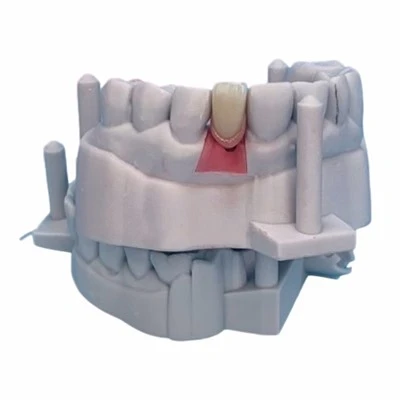
If you’re a dental clinic looking for a supplier you can trust to provide removable prostheses that prioritize long-term safety, or if you’re a patient’s caregiver working to find the right solution, I’m here to help. We work closely with practices of all sizes, from small local clinics to large dental chains, to customize prostheses that fit each patient’s unique needs, and we offer ongoing support to make sure every device is safe and effective for years. Reach out to our team to learn more about our quality standards, material options, and how we can partner with your practice to provide the best possible care for your patients.
Implant Malo Bridge References
- The Journal of Prosthetic Dentistry. “Long-term outcomes of removable partial dentures: A systematic review.” 2018; 120(3): 345-352.
- International Journal of Oral and Maxillofacial Implants. “Bone resorption following edentulism and the role of prosthetic rehabilitation.” 2020; 35(2): 289-296.
- Journal of Dental Hygiene. “Oral hygiene practices and periodontal health in wearers of removable prostheses.” 2019; 93(4): 112-120.
- Food and Drug Administration. “Safety considerations for removable dental prostheses.” 2021.
- Clinical Oral Investigations. “Biocompatibility of modern acrylic resins used in removable prostheses.” 2017; 21(5): 1689-1696.
Shenzhen Tuomei Dental Technology Co., Ltd.
We are one of the most professional removable prostheses manufacturers and suppliers in China, featured by quality products and low price. Please rest assured to buy discount removable prostheses made in China here from our factory. Welcome to view our website for more information.
Address: Room 301, Building C Fuhe Industrial Park No.18 Hexiu West Road, Zhancheng Community Fuhai Subdistrict, Bao’an District, Shenzhen, Guangdong, China
E-mail: dentallab.works@gmail.com
WebSite: https://www.sztuomeidentallab.com/
