Alright, let’s break down what’s actually going on when your DC booster pump starts dropping pressure—because as someone who supplies these bad boys, I’ve seen this problem more times than I can count, and it’s almost never a random fluke. I’m gonna keep this real, no fancy engineering jargon that makes your eyes glaze over, just straight-up stuff that’ll help you figure out if it’s a quick fix or something you need to chat through with our team. DC Booster Pump
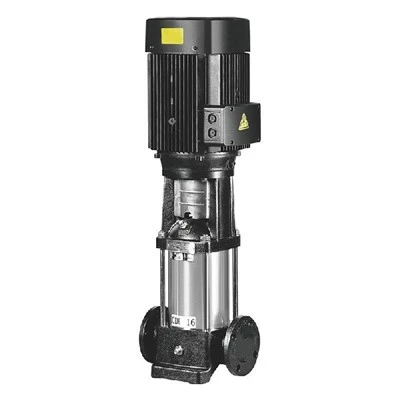
First off, let’s start with the basics: a DC booster pump’s whole job is taking low incoming pressure (like from a water tank or municipal line) and cranking it up to a steady, useful pressure for your home, RV, or small commercial setup. So if that pressure starts dipping, the first place to check is the part that feeds it—wait, is your incoming pressure even good? I had a customer last month who swore his pump was broken, turned out the municipal line on his block was under maintenance, so incoming pressure dropped to almost nothing. The pump couldn’t work magic; it can’t make pressure out of thin air. That’s a super easy first check—hook a pressure gauge right where the water enters the pump, before the inlet, and see if it’s within the specs we told you (usually 15-100 PSI for most of our models). If it’s below that, the issue isn’t the booster—it’s your supply line.
Next up, the DC part of the pump. These run on a direct current motor, right? Way different from AC pumps, which is why our customers love them for off-grid or battery setups. But if your power source is wonky, that’ll kill pressure fast. Let’s say you’re running it off a battery bank—if the batteries are dying, or the wiring between the battery and pump is too thin (I see this all the time with DIY installs), the voltage drops before it even hits the motor. A friend of mine tried using 16-gauge wire for a 12V pump, and by the time the power got to the pump, it was only 8V—no wonder the pressure was low. For grid-tied DC setups, check the converter: if it’s not putting out the right DC voltage (say 24V instead of 24.5V), that’s gonna underpower the motor. I always tell folks to use a multimeter to test the pump’s power input when it’s running—if it’s below the rated voltage, fix the wiring or power source before blaming the pump.
Now, the pump’s internal parts. The impeller is the thing that actually moves the water, right? Over time, especially if your supply water has sand, minerals, or gunk, that impeller can get clogged or worn down. I once serviced a pump for a customer who had a well with sandy water—the impeller was caked so thick with sediment, it could barely spin, let alone boost pressure. If you take the pump apart (and we have a step-by-step video for this on our site, no need to be a pro) and the impeller has crusty buildup or chips, that’s your culprit. Clogged impeller is easy to clean, but if it’s worn down from years of use, you might need a replacement—we sell those separately, no need to buy a whole new pump if that’s all it is.
Then there’s the check valve, which is super important for booster pumps. That little one-way valve on the outlet keeps water from flowing back into the inlet when the pump turns off. If that check valve is stuck open, cracked, or clogged with gunk, water will leak back, so the pump has to work extra hard just to push back against the backflow, which makes the pressure drop. I had a customer last year who kept having pressure spikes then dips—turns out his check valve was full of mineral buildup, so it wouldn’t seal right. Cleaning it fixed his problem in 10 minutes, no extra cost. And don’t forget the pressure switch or sensor—our DC pumps use an electronic sensor to turn on and off based on pressure, right? If that sensor is dirty or mis-calibrated, it might think the pressure is already high, so it won’t run the motor at full power. We get a lot of messages like, “My pump runs but only at half speed”—9 times out of 10, that’s a dirty sensor, not a broken motor.
Wait, what about leaks? Even a tiny leak in the line after the pump can make pressure drop like crazy. Let’s say you have a pipe under your sink that’s dripping a little, or a loose connection on the outlet of the pump. The pump is pushing water, but if some is escaping before it gets to your faucet, the gauge will show lower pressure. I once had a customer who spent 2 weeks thinking his pump was broken, just to find a pinhole leak in the pipe between the pump and his outdoor shower. Pressure checks aren’t just before the pump—check after, too, at the farthest fixture in your setup. If that pressure is lower than the pump’s rated output, you’ve got a leak somewhere.
Oh, and one more thing: run time. These pumps aren’t meant to run 24/7, right? They’re designed for intermittent use. If you have a leak that makes the pump run nonstop, it can overheat, which makes the motor’s efficiency drop, so pressure goes down. We tell all our customers to set up a pressure tank with their booster pump— that stores water under pressure, so the pump only turns on when you use water, and it doesn’t run nonstop. I’ve seen so many people skip the pressure tank, and their pump burns out early, or loses pressure because it’s overworking.
Now, let’s talk about what’s not a problem— a lot of folks think their pump is broken because pressure is lower than when they first installed it. Most of the time, that’s normal wear and tear, not a defect. Impellers wear down slowly over years, sediment builds up, filters get clogged—none of that means you bought a bad pump. But if it’s brand new and already losing pressure, there’s usually a installation mistake: like the inlet strainer was left out, or the wiring was too thin, or the incoming pressure was wrong.
As someone who sells these, I get it—when your pressure drops, you just want it fixed fast. So if you’ve checked all the stuff I mentioned: test incoming pressure, check your power (voltage, wiring), clean the impeller and check valve, look for leaks, make sure the pressure switch is calibrated, and you’re still having issues, don’t guess. Hit us up—we’ve been selling DC booster pumps for years, we can walk you through step-by-step over the phone, or even help you troubleshoot with a video call. We don’t do high-pressure sales, just honest advice: if it’s a part you need, we’ll send it out fast; if it’s something you can fix yourself with our guide, we’ll tell you that too. No hidden fees, no weird fine print.
Wait, let me make sure I didn’t miss anything—oh, the inlet strainer! That’s the little screen at the intake of the pump. If that’s clogged with leaves, bugs, or sediment, it’s restricting water from getting into the pump, so pressure drops. That’s another super quick check—just unscrew the inlet pipe, pull out the strainer, rinse it off, and you’re done. I can’t tell you how many times that’s the whole issue; people skip that because it’s “just a screen.”
Another thing: altitude. If you’re installing this pump at a high altitude (like over 5,000 feet), the air pressure is lower, so the pump can’t pull in water as easily. Our pumps are rated for that, but you might need to adjust the pressure settings a little, or make sure the inlet is primed properly. Priming is key for any water pump—if there’s air in the inlet line, the pump will cavitate, which makes a weird noise and drops pressure. Bleeding air from the inlet line is a quick fix too, just open a bleeder valve until water comes out without bubbles.

Let me wrap this up so it’s not just a list—here’s the thing: DC booster pumps are tough, but they’re not magic. Most pressure loss is from one of a handful of easy-to-fix issues, not a broken pump. If you’re comfortable messing with the internals (or even just checking the obvious stuff like wiring and leaks), you can fix 80% of these problems in 15 minutes. But if you’re stuck, don’t waste time second-guessing—reach out. We’re here to help, not just sell you something. Whether you need a replacement part, a quick tip, or a new pump altogether, we’ll be straight with you. Don’t let low pressure ruin your day—get in touch, and we’ll get it sorted.
Stainless Steel Solar Surface Pump References:
- Hydraulic Institute. (2020). Centrifugal Booster Pump Performance and Troubleshooting Guidelines. Pump Systems Matter.
- National Electrical Manufacturers Association (NEMA). (2019). DC Motor Operation and Voltage Requirements for Water Pump Applications. NEMA Standards Publication.
- Water Quality Association (WQA). (2021). Impeller and Check Valve Maintenance for Residential Water Booster Systems. WQA Technical Bulletin.
Longbiao Pump Industry Co., Ltd.
We are one of the most professional dc booster pump manufacturers and suppliers in China, featured by quality products and low price. Please rest assured to buy discount dc booster pump for sale here from our factory. We also accept customized orders.
Address: Unit 101, Building 11, Pan’ao Entrepreneurship Park, Daxi Town, Wenling City, Taizhou City, Zhejiang Province, P.R. China
E-mail: 1653746797@qq.com
WebSite: https://www.cnlongbiao.com/
