If you’ve ever shopped for a used dump truck—whether you’re a small construction contractor just starting out, a landscaping business expanding to haul more material, or a mid-sized civil engineering team needing extra equipment for a local road project—you’ve probably asked yourself one core question: How much does a used dump truck actually cost? As a dump truck supplier who’s been in this business for 12 years, I can tell you there’s no one-size-fits-all number. I’ve seen buyers overspend by thousands on a truck that didn’t match their needs, and I’ve had clients walk away from a too-cheap truck that broke down within a week of purchase. Today, I want to break down what really impacts used dump truck pricing, share real examples from my clients, and help you figure out what makes sense for your budget and work scope. Dump Truck
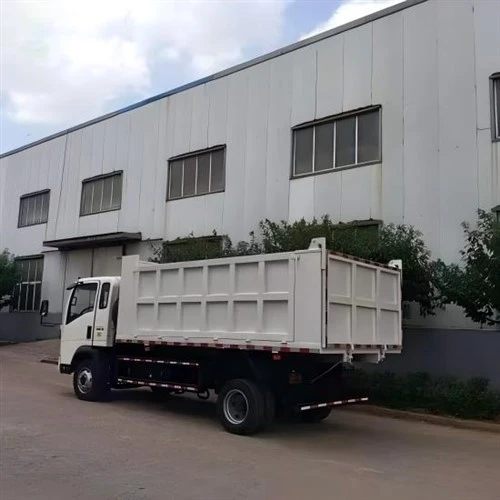
First, let’s start with the basics: what even counts as a “used dump truck”? Unlike consumer vehicles, dump trucks are designed for heavy work, so their “age” is measured more by how much they’ve hauled than how many years old they are. A 2018 dump truck with 50,000 hard working miles (most of them on construction sites, hauling gravel, dirt, or asphalt) is in way better shape than a 2020 model that only has 10,000 miles but was used to haul light, non-abrasive materials like mulch for a big box garden center. That’s a key distinction new buyers often miss, and it directly affects price.
The biggest factor driving cost is the truck’s class. Dump trucks are categorized by the gross vehicle weight rating (GVWR), which is the total weight of the truck, bed, and full load it can safely carry. I sell everything from light Class 3 dump trucks to heavy Class 8 models, and their price ranges vary wildly here. Let’s start with the light end: Class 3 and Class 4 dump trucks have GVWRs between 10,001 and 16,000 pounds. These are perfect for small landscaping jobs, residential hauling, or small demo projects. A used Class 3 dump truck from 2015 to 2017, with 80,000 to 100,000 miles, in good working condition, usually costs between $15,000 and $25,000. Last year, I sold a 2016 Class 3 International for $18,500 to a guy who starts small residential landscaping projects in suburban Ohio—he said he couldn’t afford a new one, and this one had only hauled mulch and soil, so the bed was barely rusted. For Class 4, which can carry up to 12,000 pounds of material at a time, used prices run from $20,000 to $35,000. I had a construction firm buy a 2019 Class 4 Ford F-550 last quarter for $28,000, and they use it for hauling concrete to small home builds.
Next, moving up to the workhorses of the industry: Class 7 and Class 8 dump trucks. These are the ones you see on highway road projects, mining sites, or large commercial developments. Class 7 has a GVWR of 26,001 to 33,000 pounds, and Class 8 is anything over that. These trucks are built to take abuse, so their used prices start higher. A used Class 7 dump truck, usually a model from 2012 to 2015, with 150,000 to 200,000 work miles, will cost between $30,000 and $60,000. Last year, I had a local road crew pick up a 2013 International WorkStar Class 7 for $42,000—they’d burned out two newer used models in two years, so they went for one that had a reputation for being tough, even with higher miles. For Class 8, which can haul 15 to 20 tons of material per load, used prices jump. A 2015 to 2018 Class 8 Kenworth or Peterbilt, with 200,000 to 250,000 miles, will run you between $60,000 and $120,000. I sold a 2017 Peterbilt 567 Class 8 dump truck to a civil engineering firm in Texas that was expanding to take on highway projects, and that truck went for $85,000. On the higher end, if you want a newer Class 8 model from 2019 to 2021 with less than 150,000 miles, or a custom bed made of steel (instead of aluminum, which is lighter but less durable for abrasive material), you’re looking at $100,000 to $150,000 for a used one. That’s not cheap, but it’s half the cost of a new Class 8 dump truck, which starts at $200,000 and goes up to $500,000 for custom models.
Now, there are other factors that can shift that price range by tens of thousands of dollars, and these are the ones that separate a good deal from a money pit. First, the dump bed material. Aluminum beds are lighter, which means you can haul more material per load, but they scratch and dent easier, especially if you’re hauling sharp rocks or asphalt. Steel beds are heavier, but they’re way more durable—perfect for jobs where you’re loading and unloading rough materials all day. A steel bed can add $5,000 to $10,000 to the price of a used truck, because they hold up much longer. I once had a client come to me wanting a cheap used dump truck, and he bought an aluminum bed model for $30,000. Six months later, he was back, because the bed had a 2-foot hole from hauling broken concrete, and replacing it would cost $7,000—more than the truck’s original depreciation in that time. That’s a mistake I try to warn every buyer about.
Then there’s the condition of the engine and transmission. This is non-negotiable for dump trucks. The engine is the most expensive part to repair, so a well-maintained diesel engine (almost all dump trucks use diesel, by the way—gas models are rare for heavy work) will make a huge difference in price. If a truck has a documented service history, oil changes every 10,000 miles, regular transmission flushes, and no major engine overhauls, that’s worth paying more for. A truck with a rebuilt engine or transmission will usually cost $10,000 to $20,000 less, but it’s a risk—rebuilt parts don’t always last as long as original, factory-maintained ones. Last year, I sold a rebuilt engine Class 8 truck to a guy starting a small demolition business for $65,000, and he’s been happy with it so far, because he doesn’t haul as heavy a load as a road crew. But if you’re running a truck 10 hours a day, five days a week, a well-maintained original engine is worth the extra cost.
Another big factor: whether the truck is a single-axle or tandem-axle. Single-axle dump trucks have one set of rear wheels, good for lighter loads and maneuvering on small construction sites with tight space. Tandem-axle dump trucks have two sets of rear wheels, which distribute weight more evenly, so they can haul heavier loads and handle rough terrain better. Tandem-axle models usually add $5,000 to $15,000 to the price of a used truck, and for good reason—if you’re working on a rural job site with unpaved roads, or hauling heavy material, a tandem axle is a game changer. I had a landscaper try to use a single-axle truck for a big rock hauling job last summer, and he got stuck twice in a muddy field, costing him $2,000 in wasted time and towing fees. He came back a month later and traded in his single-axle for a tandem, and he’s never had that problem again.
Don’t forget about additional features, either. Things like a backup camera, heated mirrors, a hydraulic lift that works smoothly, or a tarp system to cover loads for highway driving can add a few thousand dollars to a used dump truck’s price. The tarp system alone is worth it for jobs on major highways, because it keeps material from falling onto other cars, and you can get ticketed if you don’t have one. I always tell buyers to budget for at least a basic tarp system, even if it’s an add-on after purchase, because the fines are not worth saving a few hundred dollars.
Now, let’s talk about the market right now, because dump truck pricing has shifted a lot in the last five years. During the pandemic, when construction boomed and used equipment supply was tight, prices went up by 30 to 40 percent. Now, the market is stabilizing, but it’s not back to pre-pandemic levels. A used Class 8 dump truck that would have cost $50,000 in 2019 now costs $70,000 to $90,000, because demand is still high—small contractors are still buying used trucks to avoid the huge cost of new ones, which have also gone up by 20 percent in the same time. The good news is that there are more used trucks coming on the market now, as big construction firms upgrade their fleets, so there’s more variety than there was two years ago.
I also want to talk about what to avoid when shopping for a used dump truck. A really cheap price (like under $10,000 for a Class 7 or 8 truck) is almost always a red flag. That truck is probably old, has over 300,000 miles, has had multiple owners, or has hidden mechanical issues like a faulty transmission or a rusted bed that’s going to fall apart soon. I’ve seen buyers jump on a “too good to be true” price, only to spend $20,000 on repairs in the first year. Always ask for a vehicle history report—you can get these from services like Carfax or commercial vehicle history providers, and they’ll show you if the truck was ever in an accident, had major repairs, or was used for a fleet rental (which is the hardest on equipment, because rental companies run trucks hard and don’t always maintain them).
Another mistake I see buyers make is buying a truck that’s too big for their needs. If you’re a small landscaper doing residential jobs, you don’t need a Class 8 dump truck that can haul 20 tons. That truck is harder to maneuver in suburban neighborhoods, gets worse gas mileage (around 6 to 8 miles per gallon, compared to 12 to 15 for a Class 3), and costs more to register and insure. I once had a landscaper buy a $100,000 Class 8 truck for his small business, and he spent $1,200 a month on insurance, more than he spent on his own truck payment. He could have gotten a perfectly good Class 4 truck for $30,000, with lower insurance and better gas mileage, that would have fit his needs exactly.
So, what’s the average used dump truck cost right now, based on what I sell? For the small to mid-sized contractors I work with most, the sweet spot is between $25,000 and $60,000. That gets you a well-maintained Class 4 or 7 dump truck, with a steel or aluminum bed, either single or tandem axle, that’s good for 5 to 10 more years of work. If you need a heavier truck for highway or mining work, you’re looking at $60,000 to $120,000, and if you want a late-model, low-mileage truck for a long-term fleet, you can go up to $150,000.
At the end of the day, the cost of a used dump truck isn’t just the upfront price. You have to factor in maintenance, fuel costs, insurance, and how well the truck fits your specific jobs. The most expensive truck isn’t always the best, and the cheapest one will usually cost you more in the long run. If you’re in the market for a used dump truck, take the time to think about what you’ll be hauling, where you’ll be working, and how many hours a day you’ll need the truck. That way, you’ll get the right one for the right price, instead of making a decision you’ll regret later.

If you’re ready to start shopping for a used dump truck, or you want more specific pricing based on your needs, I’d be happy to walk through your options with you. We have a wide selection of well-maintained used dump trucks in stock, all with verified service histories, and we can help you find one that fits your budget and your work. Reach out to connect for a detailed consultation and to learn more about our current inventory.
Water Tank Truck References:
- Construction Equipment Association. (2023). Commercial Dump Truck Market Report: Pricing Trends and Equipment Lifespan.
- Federal Motor Carrier Safety Administration. (2022). Dump Truck Classification Guidelines and Weight Rating Standards.
- American Trucking Associations. (2023). Heavy-Duty Diesel Truck Maintenance and Cost Analysis.
- National Association of Landscape Professionals. (2022). Small Business Equipment Acquisition Guide for Landscapers and Contractors.
Owin Vehicles Co., Ltd.
As one of the most professional dump truck manufacturers and suppliers in China, we also support customized service. With abundant experience, we warmly welcome you to wholesale advanced dump truck for sale here from our factory. Quality products and low price are available.
Address: Room 2428, Building 3, Aosheng Building, Licheng District, Jinan City, Shandong Province
E-mail: Owinvehicle@163.com
WebSite: https://www.owintrailer.com/
