As a supplier specializing in plastic components for toys and stationery, I’ve spent over a decade navigating the fine line between fun, functionality, and practicality—especially when it comes to space-saving designs. When a client first approached me a few years ago asking for compact toy parts that could shrink down to fit in a pocket while still being durable enough for a toddler’s daily tumbles, I had to dig into more than just basic plastic molding. Space-saving in this category isn’t just about making things smaller; it’s about meeting strict technological standards that turn tiny components into usable, safe, and long-lasting products. Let me walk you through what that actually looks like for our work. Plastic Components for Toys and Stationery
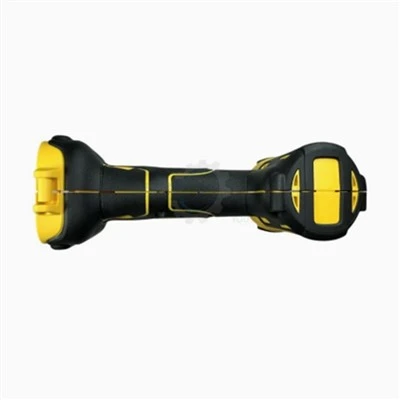
First, there’s the core challenge of material selection, and it’s not as simple as picking a cheap plastic. For space-saving toys and stationery, we need materials that are both dimensionally stable and flexible enough to fold, collapse, or telescope without breaking. Early on, we tried standard polypropylene for a compact fidget toy, but it cracked after a few dozen folds—turns out, polypropylene has poor low-temperature impact resistance, which matters because kids often leave toys in cold cars or backpacks. We switched to a copolymer polypropylene with a higher impact modifier content, but even that required tweaking the melt flow rate (MFR). MFR measures how easily plastic flows during molding, and for thin, small components like the hinge of a collapsible block set, a MFR of 15-20 g/10min is ideal: it flows smoothly into tiny mold cavities without warping, yet retains enough rigidity to hold its shape when extended.
Safety can’t be overlooked either, especially for products destined for young children. All our materials have to meet global standards like ASTM F963 for toys and EN 71, which restrict heavy metals and phthalates. For stationery items, we add compliance with ISO 14001 environmental standards, since many offices and schools now prioritize sustainable materials. One of our latest space-saving pencil sharpener components uses a recycled polycarbonate blend—polycarbonate is strong enough to withstand the pressure of sharpening, but we modified it with 20% recycled content to reduce our carbon footprint, without sacrificing the clarity and impact resistance needed for a compact design.
Next, the mold design is where space-saving functionality really comes to life. A collapsible toy isn’t just a smaller version of a regular toy; its parts have to interlock, fold, or telescope in precise ways that don’t jam. We work with mold designers who specialize in micro-molding for small components, but that’s only half the battle. For example, take a set of stacking cups that collapse into a single disk for storage—each cup’s rim has to be tapered at a 2-degree angle, not too steep, not too shallow. If the angle is off by even half a degree, the cups either stick together when you try to pull them apart or don’t lock tightly when stacked. We use 3D printing for prototype molds first, which lets us test angles and tolerances quickly without the cost of a full metal mold. Last year, we had a client who wanted a foldable toy car that could shrink to the size of a keychain; our prototype molds let us adjust the hinge thickness from 0.8mm to 0.6mm, which made the fold tight enough to stay compact but not so thin that it broke after 100+ uses.
Warpage is a huge issue with small plastic components, especially when they’re designed to be space-saving. When plastic cools in a mold, it shrinks unevenly—thin parts cool faster than thick ones, leading to warping that can make a collapsible hinge misalign. We use finite element analysis (FEA) software to simulate cooling and shrinkage before we even build a mold. For a compact notebook’s elastic closure, FEA showed that a uniform wall thickness of 1mm would warp by 0.3mm, enough to make the elastic ring sit crookedly. We adjusted the design to add a small rib along the inner edge, which distributed the cooling stress evenly, cutting warpage to 0.05mm. That tiny difference might seem trivial, but it meant the closure ring fit smoothly every time, no matter how many times the notebook is folded or unfolded.
Assembly is another technological piece we can’t ignore. A space-saving toy might have 3 or 4 tiny components that snap together instead of being glued, which keeps costs down and makes it easier to manufacture. But snap-fit joints have to be designed with the right interference fit—too tight, and the joint breaks during assembly; too loose, and it falls apart during use. We use computer-aided design (CAD) to test snap fits, calculating the force needed to insert two components by measuring the difference in their diameters. For a building block that collapses into a smaller shape, the snap tabs on each block have to be just flexible enough to pop into place when extended, but rigid enough to not detach when the block is carried in a bag. We also test assembly line speed—our injection molding machines are set up to produce 50,000 components a week, so the assembly process has to be automated to match that pace. If a component takes more than a second to snap together, we’re not meeting our production targets, which means we can’t keep costs low for our clients.
Then there’s durability testing, which is non-negotiable for both toys and stationery. Space-saving products get used a lot—kids fold toy figures repeatedly, office workers collapse notebooks to slip into briefcases, students twist telescoping rulers every day. We have a lab at our facility where we run accelerated life tests: for a collapsible toy hinge, we fold it 10,000 times at a range of temperatures (from -10°C to 40°C) to simulate being left in a hot car or a cold classroom. For stationery, like a compact stapler, we test how many times it can staple 20 sheets of paper before the plastic base cracks. Last year, a client brought us a small foldable scissors component that kept breaking after 2,000 uses; we switched to a glass-filled nylon blend instead of polypropylene, which increased durability by 500%, all while keeping the part light enough for the scissors to stay portable.
Weight is often a hidden factor in space-saving design. Small components might seem light, but adding too many reinforcements or using heavy materials can make a product feel bulky, defeating the purpose. We calculate the weight of each component to ensure it’s under 50 grams for handheld toys, which is the limit most consumers expect for a pocket-sized product. For stationery, we aim for components that add less than 100 grams to the total product weight— a compact pencil case shouldn’t feel heavy just because the plastic components are thick. We also use lightweight foamed plastic for some interior components, which reduces weight while still maintaining strength. A foamed plastic hinge for a toy car, for example, is 20% lighter than a solid hinge, but has the same impact resistance when dropped.
Sustainability is another technological requirement that’s become more important over the last few years. Our clients don’t just want space-saving components—they want them to be recyclable, or made from recycled materials. We’ve invested in co-molding technology, which lets us combine a recycled polypropylene outer layer with a virgin polypropylene inner layer, so the final component is both durable and recyclable. For a compact eraser holder, the outer part is made from 30% recycled plastic, and the inner part (which touches the eraser) is a virgin, non-staining plastic, so it doesn’t leave marks on the eraser. We also test for recyclability: after molding, we grind scrap components and see if they can be re-molded into new parts without losing quality. That’s a big part of our value—we don’t just supply components; we help our clients meet their sustainability goals alongside their space-saving ones.
Throughout all of this, communication with our clients is key. Early on, we had a client who designed a compact building set, but their initial component design was too thin—we explained that even a thin component could meet strength requirements if we used a high-impact copolymer, but they didn’t need to make it thinner than 0.7mm. That collaboration saved them months of reworking their mold design. Now, we work with clients from the concept stage, not just when they need mass production. We help them think through how a space-saving design will hold up over time, what materials will work best, and how to make sure their product is easy to manufacture at scale.
I’ve learned that the most successful space-saving plastic components aren’t just smaller versions of existing products—they’re designed with every technological detail in mind, from material properties to mold tolerances to durability. For toys, it’s about balancing fun with safety, so a collapsible action figure doesn’t break mid-play. For stationery, it’s about balancing portability with function, so a telescoping ruler doesn’t bend or jam when a student needs to measure. As a supplier, we bring that expertise to every project, making sure our clients’ ideas don’t just work on paper—they work in the hands of the people who use them.
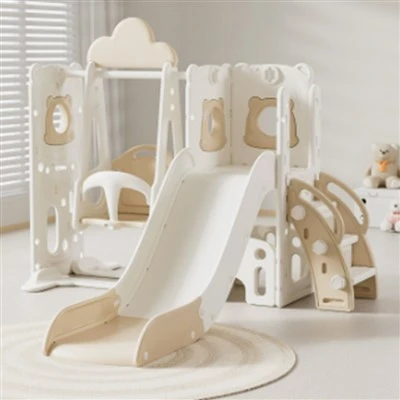
If you’re designing space-saving toys or stationery and need plastic components that meet all these technological standards, I’m here to help. We’ve worked with small startups and large brands alike, and we can tailor our solutions to your specific needs. Whether you’re prototyping a new compact toy or scaling production for a line of portable stationery, let’s connect to discuss how we can bring your design to life.
Plastic Kitchen Items References
ASTM F963 – Standard Consumer Safety Specification for Toy Safety
EN 71 – Safety of Toys (European Standard)
ISO 14001 – Environmental Management Systems
MoldMaking Technology – Micro-Molding Techniques for Small Plastic Components
Polymer Engineering & Science – Impact Resistance of Copolymer Polypropylenes for Flexible Applications
Yongkang Shunjiang Plastic Products Co., Ltd.
As one of the most professional plastic components for toys and stationery manufacturers and suppliers in China, we offer a wide range of products with superior quality. Please feel free to wholesale bulk customized plastic components for toys and stationery from our factory. Also, pricelist is available.
Address: Kangzhuang Road, Xicheng Subdistrict, Yongkang City, Zhejiang Province, China
E-mail: 15158911623@163.com
WebSite: https://www.shunjiangplas.com/
