If you think “auto stamped welded components” is just car parts, let me stop you right there. I’ve been sourcing and supplying these metal bits for over 10 years, and I can’t tell you how many times I’ve had a client walk into my workshop asking for “car stuff” only to walk out with parts for construction equipment, medical gear, and even food trucks. The truth is, these stamped, welded metal components—think bent steel brackets, reinforced connectors, precisely sized mounting plates—are the unsung backbone of a dozen industries that have nothing to do with passenger cars. Let’s break this down, straight from someone who deals with these parts every single day. Other Auto Stamped Welded Components

First, let’s get clear on what exactly we’re talking about here. Auto stamped welded components aren’t just random steel pieces. Stamping means we shape flat metal sheets (usually steel, sometimes aluminum for lighter applications) with big, heavy presses that cut, bend, or form them into exact shapes. Then welding joins those stamped parts together to make a single, strong, durable piece that can hold up under pressure, vibration, or extreme temperatures. We use the same stamping and welding tech that car makers rely on, but we don’t only supply to auto plants. That’s the whole point—our skills are versatile, and other industries need that same reliability car companies demand.
Take construction and heavy equipment, for example. If you’ve ever stood next to a bulldozer, crane, or excavator, you know those machines look like they’re built to take a beating. But they’re full of small, critical parts we make. Think about the mounting brackets that hold a crane’s hydraulic arm to its main chassis. Those brackets have to support thousands of pounds of weight, resist rust from sitting outside in rain and dirt, and hold up to constant vibration from the engine. We stamp them from thick high-strength steel then weld extra gussets (those triangular metal plates that reinforce joints) to make sure they don’t snap. I once had a crane manufacturer call us last year because their old bracket supplier was using thinner steel that was cracking after six months on a job site. They sent us a broken bracket, we stamped a replacement that matched the exact dimensions, and welded it with a stronger alloy, and that part’s been going strong for over a year now. We also make parts for excavator buckets—small wear strips and connection points that link the bucket to the arm. Those take a ton of abrasive force from digging in dirt and rock, so we use heat-treated steel for stamping, then weld it with a filler metal that resists grinding down. Construction companies love these parts because they’re cheaper to replace than buying a whole new bucket, and they fit exactly every time.
Next up: agricultural equipment, which is a massive, often overlooked user of these components. Farmers don’t drive cars, but they rely on tractors, combine harvesters, and seed planters that work from dawn to dusk, in mud, dust, and heat. Let’s talk about a combine harvester’s header— that big rotating reel at the front that cuts and gathers grain. The header has dozens of small stamped welded parts: the brackets that hold the reel bars in place, the mounts for the cutting blades, and the support arms that connect the header to the tractor. If those parts break mid-harvest, a farmer can lose an entire day of work, which means losing thousands of dollars in crop. We make custom parts for a lot of small to mid-sized farm equipment brands. Last planting season, a seed planter company needed custom mounting brackets for their new row units. The brackets had to be light enough to move when the planter turns, but strong enough to hold the seed hopper full of 50 pounds of seeds and fertilizer. We stamped them from 10-gauge steel (that’s thick but not too heavy) and welded a small reinforcing rib along the back, and they’ve been using them for two years now with zero issues. Even things like hay balers use our parts— the frames for the wire or twine mechanisms, the brackets that hold the pickup tines. It’s not glamorous, but every farmer needs these.
Then there’s the medical industry, which might surprise you. Medical equipment needs to be super precise, safe, and durable— and a lot of that comes from stamped welded components. Let’s think about hospital beds, for example. The frames of most adjustable hospital beds are made of welded steel, but the small, hidden parts are where we come in. The hinges that let the head or foot of the bed tilt, the mounting points for the IV pole holders, and the brackets that secure the bed to its base. These parts have to support the weight of a patient, sometimes over 300 pounds, and they have to be smooth— no sharp edges, no rough welds that could snag on clothing or skin. We use aluminum for a lot of medical parts because it’s light and doesn’t rust, so it’s easy to clean and sterilize. We also make parts for diagnostic equipment, like the housing components for MRI machines or ultrasound machines. Wait, those housings aren’t just plastic— they have internal metal frames that hold the sensitive electronics in place, to keep them from moving during scans. Those frames are stamped from thin, precision-cut steel, then welded together to keep their shape. A lot of people don’t realize how much metal goes into medical gear, but if that frame was flimsy, the ultrasound images would be blurry, which could mess up a diagnosis. We take pride in the precision here— our stamping presses are calibrated to within a thousandth of an inch, so every part fits perfectly every time.
Another big one: food and beverage processing. This industry has some strict rules— parts have to be easy to clean, non-toxic, and able to handle high heat or harsh chemicals. Stamped welded components are everywhere here. Think about the conveyor belts that move cans of soda through a bottling plant, or the frames that hold ovens for baking bread, or the support structures for large mixing tanks. We use stainless steel for almost all food industry parts, because it doesn’t rust, it doesn’t react with food or drinks, and it can be wiped down or pressure-washed without corroding. I worked with a craft brewery a few years back that needed custom mounting brackets for their fermenting tank. The brackets had to attach to the tank’s outer wall, hold up the temperature sensors, and withstand the cold 40-degree air in the fermenting room, plus the occasional spill of beer. We stamped the brackets from 304 stainless steel (the standard for food gear) and welded them with a special electrode that leaves a smooth, non-porous weld— no crevices where bacteria could grow. They loved it so much that they started ordering parts for their canning line too. Even things like commercial pizza ovens have our parts: the internal racks, the door hinges, the handles. Those ovens get up to 500 degrees, so the parts have to be heat-resistant, which stainless steel handles perfectly.
Wait, let’s not forget the transportation industry beyond cars. Things like public transit buses, trains, and even delivery vans for companies like Amazon use our parts. Bus frames are a big one— the small brackets that hold the seat belts in place, the mounts for the handrails, the supports for the interior panels. Those parts have to be strong enough to survive a sudden stop, and they have to look good too, since they’re visible to passengers. We often finish these parts with a powder coat, so they don’t rust and match the bus’s interior color. I also recently started supplying parts for electric delivery vans— the mounting brackets for the battery packs. Those vans’ batteries weigh thousands of pounds, so the brackets have to hold that weight without shifting, and they have to be insulated a bit too. We weld in small rubber gaskets between the bracket and the battery to absorb vibration, which stops the battery from wearing out faster. It’s a new market for us, but it’s growing fast as more companies switch to electric delivery vehicles.
Oh, and one more: renewable energy. Wind turbines are huge, but their smaller parts are critical. The brackets that hold the turbine’s control panels, the mounts for the sensor systems, and the support arms for the internal wiring. Those turbines are on top of tall towers, so parts have to be corrosion-resistant to wind, rain, and salt air if they’re near the coast. We make galvanized steel parts for that, which is steel coated with a thin layer of zinc to prevent rust. Solar farms also use our parts— the mounting brackets that hold solar panels to the ground. Those brackets have to align the panels at the exact right angle to catch sunlight, and they have to stay secure for 20+ years. We stamp them from aluminum, which is light and doesn’t rust, and weld small adjustment tabs so the solar companies can tweak the angle after installation if needed. I had a wind energy client tell me last year that their old bracket supplier was charging 30% more, and our parts are just as strong— we’ve been their go-to for three years now.
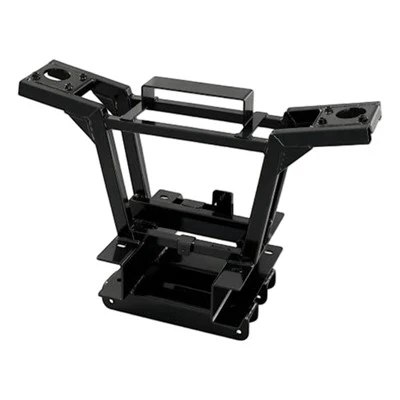
So why is there so much demand for these parts outside of cars? Let’s be real: car manufacturing is cyclical. When new car sales drop, auto parts orders dry up almost overnight. But these other industries? They need our parts every single day, no matter the economy. Farmers still harvest crops when times are tight, hospitals still need beds and medical gear, breweries still make beer, wind farms still need parts to keep turbines running. That’s why we’ve built our business on expanding beyond just auto parts. We use the same stamping and welding tech that car companies trust, but we adapt to what other industries need— whether that’s a custom bracket for a combine harvester or a frame for an MRI machine.
Car Interior Trim At the end of the day, I’m just a guy who runs a small parts shop, and I love that our work goes into so many different places. You might not notice the stamped welded parts in a combine or a medical bed, but they’re there, keeping things running smoothly. If you’re in any of these industries and you need custom metal parts— durable, precise, made to fit exactly what you’re working on— hit me up. We don’t do one-size-fits-all here, and we’ll work with your design to make something that works for you, not just for our inventory.
References
- Society of Manufacturing Engineers. (2022). Stamping and Welding for Non-Automotive Applications. SME Press.
- Agricultural Equipment Technology Association. (2021). Critical Components in Modern Farm Machinery. AETA Journal.
- Food and Drug Administration. (2020). Materials Standards for Medical and Food Grade Metal Components. FDA Guidelines.
- International Code Council. (2023). Structural Requirements for Construction Equipment Components. ICC Technical Bulletin.
- Renewable Energy World. (2022). Metal Components for Wind and Solar Farm Infrastructure. Renewable Energy World Report.
Suzhou Yehe Precision Stamping Co., Ltd.
With abundant experience, we are one of the most reliable auto stamped welded components manufacturers and suppliers in China. We warmly welcome you to buy customized auto stamped welded components at competitive price from our factory. If you have any enquiry about quotation, please feel free to email us.
Address: No.5, Beifang Road, Changshu City, Suzhou, Jiangsu Province, China.
E-mail: szyh06@yehejingmi.com
WebSite: https://www.yehe-precision.com/
