If you’ve ever wandered around an industrial plant, a loading dock, or a mezzanine floor, chances are you’ve stepped on a metal grid that keeps things safe and ventilated. But if you’re in the market for one, you might’ve caught yourself wondering: “Wait, is this steel grating the same as bar grating?” As a steel grating supplier, I hear this question all the time, and honestly, it’s not surprising—since the two terms get thrown around interchangeably a lot. But they’re actually not identical, and picking the wrong one can lead to everything from safety hazards to unnecessary costs. Let’s break this down in plain talk, no stuffy engineering jargon, just what actually matters when you’re shopping around. Steel Grating
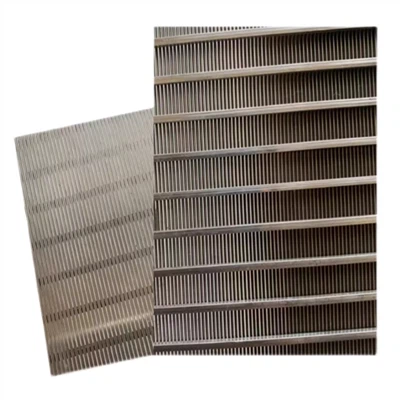
First off, let’s clear up the biggest mix-up. A lot of people use “steel grating” and “bar grating” like they’re synonyms, but bar grating is a type of steel grating—kind of how an apple is a type of fruit. All bar gratings are steel gratings, but not all steel gratings are bar gratings. That’s the base line, but there’s way more to it when you get into the nitty-gritty of how they’re made, where they’re used, and what sets them apart for your project.
Let’s start with bar grating, since that’s the most common type of steel grating most folks mean when they say “metal grating.” Bar grating is built with two main parts: load bars (the thick, long metal pieces that go across the grid’s span) and cross bars (the smaller pieces that lock the load bars in place). Now, cross bars aren’t just welded on willy-nilly—there are two main ways bar grating gets assembled, and that changes everything. The first is press-locked bar grating. We squeeze those cross bars through holes in the load bars so tight they lock without any welding, which makes it super durable for heavy-duty stuff like walkways or drainage grates. The second is welded bar grating, where we actually melt the cross bars to the load bars with heat, which adds a little extra strength for even higher weight loads.
Wait, but what about other steel gratings that aren’t bar grating? Those are the ones that don’t use parallel load bars and cross bars as their base. For example, there’s forged grating, which uses individual metal bars twisted or bent to form a grid—super flexible for curved spaces, but not as common for straight industrial walkways. Or there’s expanded metal grating, which is made by slitting a single sheet of metal and stretching it open, like a metal mesh. That’s lighter, cheaper, but not as rigid as bar grating for heavy use. So when someone says “steel grating,” they could be talking about any of these, but bar grating is the workhorse 9 times out of 10.
Now, let’s get into the differences that actually affect your project, because that’s what you care about, right? Let’s start with material and thickness, since that’s where steel (as a whole) and bar grating really diverge. Steel grating, as a category, can be made from all kinds of metals: mild steel, stainless steel, aluminum, even galvanized steel for outdoor use. But bar grating is almost always made from carbon steel (mild steel) or galvanized carbon steel, because that’s the sweet spot for strength and cost for most industrial applications. When we make bar grating, the load bars are usually ¼-inch thick to 1-inch thick—thinner for light use, thicker for stuff like bridge decks where trucks drive. Other types of steel grating, like expanded metal, might use thinner sheets, which means they can’t handle as much weight.
Next up, strength and weight capacity. This is a big one for safety. Bar grating is engineered to hold way more weight than other steel grating types, because the parallel load bars distribute weight evenly across the span. A standard bar grating can hold up to 5,000 pounds per square foot, depending on the thickness of the load bars and how far apart they are. Expanded metal or forged grating? More like 200 to 1,000 pounds per square foot, tops. That means if you’re putting a forklift on a mezzanine, or storing heavy equipment on a platform, bar grating is the only steel grating that’ll stand up to that. I’ve seen customers buy the wrong steel grating before—they picked expanded metal because it was cheaper, and within a year it started sagging under the weight of a few pallets of parts. That’s a huge safety risk, not to mention a waste of money.
Then there’s the gap between the bars, which matters for foot traffic and debris. Bar grating’s gaps are super consistent—usually 1-inch, 1.5-inch, or 2-inch between load bars—so you can pick what works for your needs. If you’re in a plant where you’re pushing carts or small equipment, a 1-inch gap keeps wheels from getting stuck. If you’re dealing with large debris like leaves or gravel outdoors, a 2-inch gap lets that stuff drain through fast. Other steel grating types have way smaller gaps, like expanded metal, which has holes that are just a half-inch or less. That’s great for keeping small items from falling through, but terrible for drainage—rain or standing water will sit on top, which is a slip hazard. I had a customer last year who used expanded metal for a loading dock, and after a rain, people were slipping on standing water all the time. Switched to bar grating with 2-inch gaps, and the problem was gone.
Durability and maintenance are another area where bar grating stands out. Since it’s made of thick carbon steel (often galvanized to resist rust), bar grating can last 20+ years with just a little upkeep—wiping it down every few months, checking for loose cross bars. Other steel gratings, like forged or expanded metal, are thinner, so they scratch or bend easier, especially if you’re dragging heavy objects across them. Stainless steel bar grating is even better for corrosive environments, like food processing plants or chemical facilities, since it resists rust way more than mild steel. But here’s a thing: a lot of suppliers will try to sell you stainless steel expanded metal as a “stainless steel grating,” but it’s not as durable as stainless steel bar grating. I’ve seen that stuff wear out in 5 years, compared to 25 for bar grating—don’t get tricked.
Cost is obviously a factor too, but it’s not just about the upfront price. Bar grating is usually a little more expensive upfront than other steel grating types, but the longevity and strength mean you don’t have to replace it every 5 years. Expanded metal might be 30% cheaper at first, but if it sags or breaks, you’re paying for installation twice, plus the cost of downtime when you have to fix it. For a steel grating supplier, we always tell customers: it’s better to spend a little more now than a lot more later. That said, if you’re using it for something super light, like a small step platform in a warehouse, expanded metal is fine—just don’t use it for heavy stuff.
Now, let’s talk about common use cases, because that’s where the line between the two (or rather, bar as a type of steel grating) gets clear. When would you use bar grating? Industrial walkways, mezzanine floors, loading dock grates, bridge decks, drainage grates for highways, plant floors, even security grilles for storefronts. Basically anywhere you need strength, consistent gaps, and long durability. When would you use another steel grating type? Lighter-duty stuff like fence infill, small vent covers, decorative panels, or places where weight is a non-issue, like a small patio where no one’s carrying heavy stuff.
Wait, let’s make sure we’re not missing a common point of confusion: some suppliers call bar grating “steel bar grating” to distinguish it from other types of steel grating, which makes sense. But if someone just says “bar grating,” they’re almost always talking about steel bar grating. You might find aluminum bar grating for specific applications, like around water treatment plants where corrosion is a problem, but 90% of bar grating out there is steel.
I’ve worked with customers who come to us saying they need “steel bar grating” when they really just need “bar grating,” and vice versa—they ask for “steel grating” and end up with something too weak. The key takeaway here is: if your project involves heavy loads, outdoor use, drainage, or industrial safety, go with bar grating (which is a type of steel grating). If it’s light, decorative, or low-stress, you can look at other steel grating types, but just make sure they’re rated for the weight you’ll put on them.
Another thing to note: customizability. Bar grating is super easy to cut to size, whether you need a custom shape for a curved mezzanine or a specific length for a drainage grate. Other steel gratings, like expanded metal, are usually only available in standard sheet sizes, so if you need something weird, bar grating is way more flexible. We’ve cut bar grating for everything from a small step stool for a garage to a 100-foot long walkway for a mining operation, and it’s worked every time.
Let’s also touch on safety standards, because that’s non-negotiable for industrial use. Bar grating is tested to meet OSHA standards for walkways, which require a certain weight capacity and anti-slip surfaces (we usually add serrated edges to bar grating to make it way less slippery, which is a must for areas where people are walking with wet or dirty shoes). Other steel grating types rarely meet OSHA standards, so if you’re using it for a workplace, you could be putting yourself or your company at risk of fines or accidents. I can’t stress that enough—safety shouldn’t be an afterthought when you’re choosing grating.
At the end of the day, the difference between steel grating and bar grating is just a matter of categories. Bar grating is a specific, high-performance type of steel grating, built for heavy use, safety, and durability. If you’re still not sure which one you need, don’t guess—reach out to us. As a steel grating supplier, we can walk you through your project, figure out if bar grating is the right fit, or if another type of steel grating will work better. We’ve helped everyone from small businesses to big industrial plants pick the right grating for their needs, and we’re happy to help you too. No sales pitches, just straight talk about what’ll work for you.

When it comes to buying grating, there’s no one-size-fits-all, but understanding the difference between steel grating as a whole and bar grating as its most common, high-performance type will save you a lot of hassle, money, and stress. Don’t let anyone confuse you—if you need something that’ll hold up, go with bar grating. If you stick to that, you won’t go wrong.
Wedge Wire Screens References
- Steel Grating Manufacturers Association. (2022). Specifications for Bar Grating.
- OSHA. (2021). Safety Standards for Industrial Walkways and Gratings.
- American Galvanizers Association. (2020). Durability of Galvanized Steel Bar Grating.
Hebei Zhenou Wire Mesh Products Co., Ltd.
As one of the most professional steel grating manufacturers and suppliers in China, we’re featured by quality products and good price. Please rest assured to buy discount steel grating for sale here from our factory. Customized orders are welcome.
Address: Anping Economic Development Zone, Hengshui City, Hebei Province, China
E-mail: anna.zowm@gmail.com
WebSite: https://www.zowiremesh.com/
