As an oil pump supplier with over 18 years in the business, I’ve seen firsthand how a failing oil pump can derail even the most well-maintained engine. Last year, a customer brought in a 2018 heavy-duty pickup—his truck had 120,000 miles, regular oil changes, and no obvious red flags. But when he pulled it into my shop, the engine was already seized. The culprit? A worn-out oil pump that had stopped delivering pressure, starving the engine of lubrication. That incident stuck with me because it’s a perfect example of how easy it is to overlook the subtle signs of a bad oil pump. Many drivers wait until their engine blows up before they realize the pump is the problem, which not only costs thousands in repairs but also leaves them stranded. In this post, I’ll break down the key signs to watch for, explain what causes them, and share why working with a reliable supplier like me makes all the difference when you need a replacement. Oil Pump

First, let’s get the basics straight: the oil pump’s job is non-negotiable. It’s the heart of your engine’s lubrication system, pushing oil through passages to every moving part—camshafts, crankshafts, pistons, bearings. Without enough oil pressure, metal parts grind together, generate extreme heat, and fail fast. Now, the first and most urgent sign to notice is low oil pressure. Modern vehicles have a dashboard oil pressure gauge or warning light; if that light turns on and stays on (not just when you start the engine and then turns off), that’s a red flag. A lot of people brush it off, thinking it’s just a faulty sensor, but don’t ignore it. Last quarter, a customer told me his oil pressure light popped on during a highway drive, and he waited three days to bring it in. By then, his engine’s main bearings were scored, and he had to replace the entire short block. The problem here was his oil pump—internal gears had worn down to the point where it couldn’t build enough pressure to move oil through the engine. I replaced the pump, but the damage was already done. It’s important to note that low oil pressure can also come from a clogged oil filter or too thin oil, but if you’ve checked those and the light’s still on, the pump is likely the issue.
Next, there’s the sound. Engines make noise for all kinds of reasons, but a knocking or ticking sound that gets worse when you accelerate is a classic sign of a failing oil pump. I hear this all the time from customers: “My engine used to run quiet, now it sounds like a bag of rocks shaking around.” That noise is usually “rod knock,” which happens when the connecting rod bearings aren’t getting enough oil. The metal rods bang against the crankshaft because there’s no lubrication to cushion them. I once had a delivery driver who ignored this noise for six months; by the time he brought his van in, the knock was so loud passersby would turn to look. We had to replace both the oil pump and the crankshaft, and he told me it cost him more than his van was worth. The ticking sound is similar, but it’s more common with worn camshaft bearings—again, caused by insufficient oil flow from a failing pump. These noises don’t show up overnight; they start faint and get louder as the pump wears, so if you hear a new, unusual engine sound, don’t wait to get it checked.
Another sign that’s easy to miss is oil leaks around the oil pump area. The oil pump is usually mounted either on the engine block, near the oil pan, or inside the timing cover, depending on the engine type. A worn pump seal or a loose gasket can cause oil to leak out, which not only reduces the amount of oil in the engine but also lets debris get into the lubrication system. Last year, a customer brought in a sedan with a slow leak under the engine; he thought it was just a faulty oil pan gasket. When I inspected it, I found the leak was coming from the oil pump’s front seal, which had hardened and cracked after years of heat. Once we replaced the seal and the pump (since the gears were already starting to wear), the leak stopped, and the engine ran like new. If you notice fresh oil puddles under your engine, especially right behind the oil filter or near the timing cover, it’s worth having a mechanic check the pump. Small leaks turn into big problems fast—low oil levels lead to low pressure, which leads to engine damage.
Then there’s the issue of overheating. You might be wondering, “What does the oil pump have to do with engine temperature?” Here’s the science: engine oil doesn’t just lubricate—it cools too. As oil flows through the engine, it absorbs heat from the moving parts. If the oil pump isn’t pushing enough oil, the oil can’t carry that heat away, and the engine’s operating temperature rises. I’ve seen a number of vehicles where the temperature gauge creeps up during city driving or when idling, which coincides with low oil pressure. A small courier truck came in last winter, overheating every time he stopped at a red light. We checked the coolant, thermostat, and radiator—all fine. Finally, we tested the oil pressure, which was 15 PSI lower than the manufacturer’s recommendation. We replaced the oil pump, and the overheating stopped immediately. That’s a key point: overheating that can’t be traced to the cooling system is often tied to a failing oil pump.
Now, let’s talk about the causes of a bad oil pump, because understanding why it fails helps you prevent it. The most common cause is simply high mileage and lack of maintenance. Oil pumps have gears or rotors that move, and over time, those parts wear down as they grind against each other. If you’re skipping oil changes, using the wrong oil viscosity, or not replacing the oil filter regularly, the wear happens faster. Dirty oil is like sandpaper for the pump—debris from burned oil or contaminants can scratch the gears, making them less efficient. Another cause is improper installation. A lot of do-it-yourselfers try to replace their own oil pump, and if they don’t align the gears correctly or torque the mounting bolts too tight or too loose, the pump can fail prematurely. At my shop, I see this a few times a year—someone buys a cheap pump online, installs it wrong, and brings it back a month later with the same low oil pressure. That’s why it’s important to work with a reputable supplier: we test every pump before it leaves our warehouse, so you know it’s built to the manufacturer’s specs.
A third cause is oil starvation. If you drive with a low oil level, the oil pump can draw in air instead of oil, which cavitates the pump—meaning air bubbles form in the oil, reducing pressure and damaging the pump’s internal parts. I had a customer who forgot to add oil after an oil change, drove 50 miles, and blew his pump. When we pulled the pump apart, we found cavitation damage—small pits on the gears where air bubbles had exploded. That’s avoidable, but it’s a reminder that checking your oil level regularly isn’t just a suggestion; it’s critical for your pump’s lifespan.
Now, let’s get back to why these signs matter, and what you should do if you notice any of them. The worst mistake you can make is ignoring a failing oil pump. A new oil pump costs a fraction of what an engine replacement costs—last year, the average engine replacement was $4,500, while a new oil pump is $300 to $800, depending on the vehicle. When you catch the signs early, you avoid catastrophic engine failure. That’s where my role as a supplier comes in. I don’t just sell parts—I work with mechanics and DIYers to make sure they get the right pump for their engine, with the quality to last. I source pumps from manufacturers that use high-grade materials, so they resist wear even with regular use, and I test every unit to ensure it meets OEM specifications.
Wait, let’s address a common myth: some drivers think a little noise or a flickering oil light is normal, especially in older vehicles. That’s not true. Modern engines are precision-built, and even a minor drop in oil pressure can lead to big problems. I once worked on a 2005 SUV that had 180,000 miles, and the owner said the oil pressure light “always flickers when I turn the key.” We tested it, and the pressure was 20 PSI lower than it should be. The pump was on its last legs. We replaced it, and the light went off, and the engine ran another 50,000 miles without issues. If he’d kept ignoring it, his engine would have seized long before that.
Another thing to note: some signs are easy to confuse with other problems, so it’s important to have a professional diagnose the issue. For example, engine knocking could be from worn spark plugs, and overheating could be from a clogged radiator. But if multiple signs line up—low oil pressure, knocking, and a leak—those are strong indicators of a bad oil pump. When you do need a replacement, don’t cut corners. Cheap pumps might seem like a good deal, but they’re often made with lower-quality materials, so they wear out faster. Last year, a customer bought a $50 pump from a discount online store, and it failed after 2,000 miles. He came to me, bought a premium pump, and said, “I should’ve spent the extra money first.” That’s the kind of thing I see all the time—investing in a reliable pump saves you money in the long run.
Let’s also talk about maintenance tips to keep your oil pump working longer. First, follow your vehicle’s recommended oil change schedule. Most manufacturers say every 5,000 to 7,500 miles, but if you drive in extreme conditions—hot weather, heavy towing, stop-and-go city driving—you should change it every 3,000 to 5,000 miles. Use the right oil viscosity; the owner’s manual will tell you if you need 5W-30, 10W-40, etc. Using the wrong oil can cause the pump to work harder, leading to wear. Replace the oil filter every time you change the oil, and make sure it’s a high-quality filter that fits your engine. Finally, check your oil level at least once a month, before long drives, to make sure you’re not running low. These small steps can extend the life of your oil pump and prevent the signs I’ve talked about from showing up prematurely.
I want to close with a reminder that if you’re noticing any of these signs—low oil pressure, knocking noises, oil leaks, or overheating—don’t put it off. A failing oil pump is a problem that won’t fix itself; it will only get worse, and the repair cost will go up the longer you wait. As an oil pump supplier, I’ve helped hundreds of customers avoid engine disasters by providing the right, high-quality pumps at fair prices. Whether you’re a mechanic working on a fleet of trucks or a DIYer working on your personal car, I’m here to help you find the right part for your needs. If you’re ready to replace a bad oil pump, or have questions about diagnosing the issue, reach out to discuss your requirements. I’m happy to walk you through the process, answer your questions, and make sure you get a pump that will keep your engine running smoothly for years to come.
Chemical Pump References
- "Engine Lubrication System Basics," Automotive Service Excellence (ASE), 2023.
- "Oil Pump Failure Causes and Prevention," Society of Automotive Engineers (SAE), 2022.
- "Automotive Engine Overheating: Common Causes and Diagnostics," International Journal of Automotive Technology, 2021.
- "The Impact of Oil Viscosity on Oil Pump Wear and Performance," SAE International, 2020.
- "Cost Analysis of Engine Repairs vs. Preventive Maintenance," Automotive Repair Association (ARA), 2023.
Zhejiang Kaicheng Pump Valve Co., Ltd.
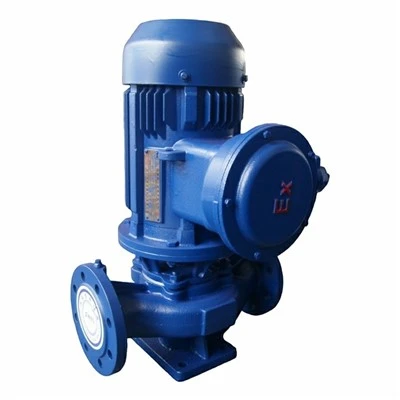
Zhejiang Kaicheng Pump Valve Co., Ltd. is one of the most professional oil pump manufacturers and suppliers in China, also supports customized service. We warmly welcome you to buy advanced oil pump made in China here and get quotation from our factory. For price consultation, contact us.
Address: No.501 Zhangbao North Road, Dong ou Industrial Park, Oubei town, Yongjia, Zhejiang Province, China
E-mail: sales@cnkcmp.com
WebSite: https://www.kcmpumps.com/
