If you’ve ever researched broad-spectrum antimicrobial agents for industrial, healthcare, or personal care applications, you’ve likely come across polyhexamethylene biguanide (PHMB) – a go-to for everything from water treatment to disinfecting medical equipment. As a PHMB supplier, I talk to manufacturers, formulators, and quality managers every week, and one question comes up more than any other: “What are the actual regulatory hoops I have to jump through to use this stuff?” It’s not a simple yes/no answer – regulatory requirements for PHMB vary wildly based on where you’re operating, what you’re using it for, and even how you end users will be exposed. Skip the guesswork, because getting this wrong can lead to costly delays, product recalls, or compliance fines that no supplier or customer wants to deal with. Polyhexamethylene Biguanide
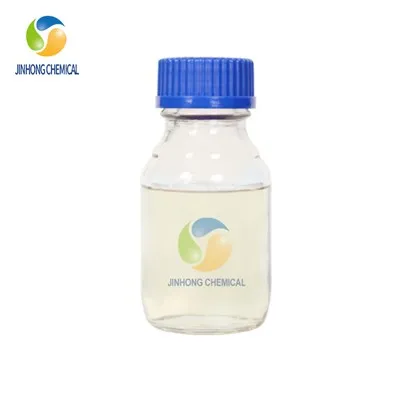
First, let’s ground this in what PHMB actually is, because its regulatory status hinges on its structure and intended use. PHMB is a cationic polymer made by polymerizing biguanide groups onto a hexamethylene chain, resulting in a molecule that disrupts microbial cell membranes without releasing volatile toxic compounds (unlike chlorine or some peroxide disinfectants). It’s been around for decades, but its versatility means it’s regulated across dozens of global agencies, each with unique thresholds and approval pathways. Let’s break down the key regions and their rules, starting with the United States – the single largest market for industrial and consumer PHMB products.
In the U.S., PHMB’s regulatory framework is split across three main agencies, depending on the application. The Environmental Protection Agency (EPA) is the gatekeeper for PHMB used as a disinfectant, sanitizer, or antimicrobial in products that touch water, air, or non-food surfaces. Any PHMB-based disinfectant sold in the U.S. must be registered with the EPA under the Federal Insecticide, Fungicide, and Rodenticide Act (FIFRA). That means submitting extensive toxicology data, efficacy testing against target microbes, manufacturing process details, and label language that clearly states safe use concentrations. For most industrial and institutional disinfectants, the EPA requires PHMB to be present at concentrations no higher than 20% for most surface treatments, though some specialized applications (like cooling tower water treatment) can go up to 50% in ready-to-use formulations, provided specific exposure limits are met.
Wait, but what if you’re using PHMB in consumer products, like hand sanitizer, laundry additives, or swimming pool chemicals? That shifts things. For PHMB in swimming pools, the EPA has specific concentration limits: residual PHMB in pool water can’t exceed 50 parts per million (ppm) for recreational use, and regular water testing is mandatory to maintain that level to avoid skin or eye irritation. For personal care products – like the PHMB-based preservatives used in lotion, shampoo, or wound care products – the FDA regulates these under the Food, Drug, and Cosmetic Act (FD&C Act). PHMB is classified as a “safe and effective” preservative for over-the-counter (OTC) personal care products, with a maximum allowed concentration of 0.1% in leave-on products and 0.5% in rinse-off products. For medical devices, PHMB gets even more scrutiny: the FDA regulates it as a Class II medical device additive when used in products like catheters, surgical implants, or wound dressings, requiring premarket notification (510(k)) to prove it’s safe for direct or indirect contact with the human body.
Moving across the Atlantic to the European Union (EU), PHMB’s rules are equally strict, shaped by the European Chemicals Agency (ECHA) and national competent authorities (NCAs) in each member state. The biggest framework here is the Biocidal Products Regulation (BPR, 528/2012), which governs all biocidal products – that’s disinfectants, preservatives, pest control agents, and more. To sell PHMB-based biocides in the EU, you need an active substance approval from ECHA, which means submitting 10+ years of toxicology data, environmental impact assessments, and efficacy testing. PHMB was added to the EU’s approved active substances list in 2018, but only for specific use types: it’s approved for use in product types like surface disinfectants, wood preservatives, and water treatment, but not for all applications, like direct food contact sanitizers in some member states. There are also strict concentration limits here: for most surface disinfectants, PHMB can’t exceed 0.2% in ready-to-use formulations for household use, though industrial products for healthcare settings can go up to 1%.
For personal care products in the EU, PHMB is regulated under the Cosmetics Regulation (1223/2009), which bans or restricts certain ingredients to protect human health. PHMB is allowed in cosmetics, with a maximum concentration of 0.2% in leave-on products and 0.5% in rinse-off products, same as the U.S. FDA limits, but with an extra requirement: every PHMB-containing cosmetic product sold in the EU must be notified to the ECHA’s Cosmetic Product Notification Portal (CPNP) before hitting shelves. For medical devices in the EU, PHMB is classified under the Medical Devices Regulation (MDR, 2017/745), which is even more rigorous than the FDA’s rules, requiring clinical evidence that PHMB on implants or catheters doesn’t cause allergic reactions or long-term toxicity.
Now, let’s not forget the Asia-Pacific region, which is a fast-growing market for PHMB, especially in water treatment and agricultural applications. In China, the National Medical Products Administration (NMPA) regulates PHMB for medical devices, while the Ministry of Ecology and Environment (MEE) oversees its use as a biocide. PHMB is approved for use in disinfectants and medical devices in China, with concentration limits of 0.1% for personal care and 1% for industrial disinfectants, but importers and local manufacturers must obtain a China Disinfection Product Approval Certificate before selling any PHMB-based product. In Japan, the Ministry of Health, Labour and Welfare (MHLW) regulates PHMB under the Pharmaceutical and Medical Device Act (PMD Act) for medical use and the Food Sanitation Act for food contact applications. PHMB is allowed in food contact materials at concentrations up to 0.05% in final products, and in disinfectants for food processing facilities at up to 0.2%.
One of the biggest pitfalls I see as a PHMB supplier is not accounting for cross-market differences. A formulator might get their PHMB registered for use in the U.S. for swimming pools, only to find out that in Germany, the same concentration is banned because of strict environmental discharge limits. ECHA has strict rules on PHMB’s impact on aquatic life: it requires that any discharge of PHMB into surface water must be less than 0.01 mg/L to avoid harming fish and algae, which means formulators in the EU have to adjust their PHMB concentrations and add neutralization steps before wastewater disposal. The U.S. EPA has similar environmental requirements, but they’re tied to National Pollutant Discharge Elimination System (NPDES) permits, so compliance depends on local water authority rules, not just federal limits.
Another area that’s often overlooked is product labeling requirements. In the U.S., FIFRA-registered PHMB products must have the EPA registration number clearly on the label, along with first aid instructions, personal protective equipment (PPE) requirements, and use concentrations. In the EU, BPR products need both the ECHA approval number and the product authorization number from the member state where they’re sold, in addition to multilingual labeling for all 27 EU countries. Failing to include the correct numbers or language can result in the product being seized at customs or pulled from store shelves, even if the PHMB itself is approved.
Wait, what about custom or niche applications? I recently worked with a formulator who wanted to use PHMB in textile coatings for outdoor gear, to kill odor-causing bacteria and mold. That’s a great use case, but it falls under different regulations depending on whether the textile is classified as a consumer product, industrial material, or even medical textile. In the U.S., textile treatments with PHMB are regulated by the Consumer Product Safety Commission (CPSC) if they’re sold to households, requiring data on skin irritation and long-term exposure. In the EU, textile PHMB treatments fall under the Registration, Evaluation, Authorization and Restriction of Chemicals (REACH) regulation, meaning PHMB must be registered with ECHA if the annual production or import volume is over 1 ton per year – something many small formulators don’t account for until they’re ready to scale.
As a PHMB supplier, our job isn’t just to sell high-quality PHMB powder or solution – it’s to help our customers navigate these regulatory hurdles. We provide detailed documentation with every shipment, including COAs (Certificates of Analysis) that confirm PHMB purity, regulatory compliance letters for key markets, and guidance on how to tailor formulations to meet local limits. We also work with our customers to update their documentation as regulations change, because PHMB’s status isn’t static: ECHA recently proposed updating its aquatic toxicity limits for PHMB, which would require some EU formulators to lower their concentrations by 20% starting next year, and we’ve already started adjusting our product specs to help our customers stay ahead.
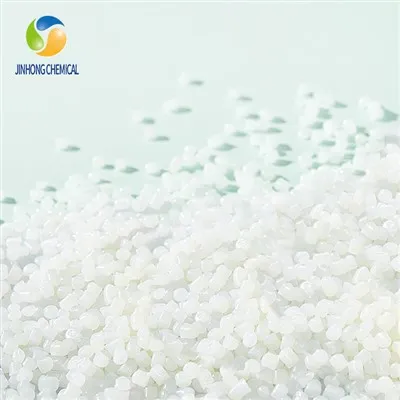
If you’re a formulator, manufacturer, or end user looking to incorporate PHMB into your product line, don’t waste time guessing at regulations. The requirements are specific to your application and your target market, but getting them right is non-negotiable. Whether you’re looking for PHMB for disinfectants, personal care, medical devices, or industrial water treatment, we can provide the compliant product and guidance you need to bring your product to market quickly and without compliance headaches. Contact us to discuss your specific application and regulatory needs today.
Material Antimicrobial Agents References
U.S. Environmental Protection Agency. (2024). Pesticide Fact Sheet: Polyhexamethylene Biguanide (PHMB). EPA.gov.
European Chemicals Agency. (2018). Approved Active Substance Summary: Polyhexamethylene Biguanide. ECHA.europa.eu.
U.S. Food and Drug Administration. (2023). Personal Care Ingredient Safety Assessment: Polyhexamethylene Biguanide. FDA.gov.
China National Medical Products Administration. (2022). Disinfection Product Approval Standards for Polyhexamethylene Biguanide. NMPA.gov.cn.
Ministry of Health, Labour and Welfare (Japan). (2023). Pharmaceutical and Medical Device Act: Polyhexamethylene Biguanide. MHLW.go.jp.
Hebei Jinhong Chemical Co., Ltd.
Hebei Jinhong Chemical Co., Ltd. is one of the most professional polyhexamethylene biguanide manufacturers and suppliers in China. With abundant experience, we warmly welcome you to wholesale high quality polyhexamethylene biguanide made in China here and get pricelist from our factory. For price consultation, contact us.
Address: North of Fazhan Road, East of Qingyuan Road, Nanbao Development Zone, Tangshan City, Hebei Province
E-mail: kevin@hbjhchemical.com
WebSite: https://www.hbjhchemical.com/
