If you’ve ever stood in a lumber yard or browsed our showroom looking for plywood, you’ve probably noticed two big categories sitting side by side on the rack: softwood plywood and hardwood plywood. As a plywood supplier who’s worked with builders, cabinet makers, hobbyists, and DIYers for over a decade, I can’t tell you how many times I’ve heard customers mix these two up. One will come in asking for “hardwood plywood to build a garden shed” and leave with the wrong material, or another will order softwood plywood for custom cabinet doors and be frustrated when it dents too easily. The line between these two isn’t just about whether the wood feels soft or hard to the touch—there’s a whole science to it, and getting it right makes all the difference in how your project turns out. Let me break this down clearly, straight from someone who’s spent their life matching plywood to what people actually need. Plywood
First, let’s get the biggest myth out of the way right now: the labels “softwood” and “hardwood” have almost nothing to do with how hard or soft the wood is. That’s a common mistake, and it trips up so many folks. The terms actually refer to the type of tree the plywood comes from, not its density. Softwood plywood is made from gymnosperm trees—think evergreens, conifers, trees that bear needles and cones, like pine, fir, spruce, and cedar. Hardwood plywood, on the other hand, comes from angiosperm trees, which are broadleaf deciduous trees that lose their leaves every year: oak, maple, birch, cherry, and walnut, just to name a few. Yeah, there are exceptions, like balsa wood which is technically hardwood but super soft, and yew which is softwood but very dense and hard—but those are the outliers, not the rule. That core difference in tree type is where all the other disparities come from, in terms of structure, strength, appearance, and what each plywood is best used for.
Now, let’s talk about the actual manufacturing process, because that’s where a lot of people don’t realize softwood and hardwood plywood start to diverge. Plywood, in general, is made by gluing thin layers of wood (called veneers) together at right angles to each other. This cross-grain lamination is what gives plywood its strength, makes it less likely to warp or shrink than solid wood, and why it’s such a popular building material. But the veneers for softwood plywood are sawn from the logs differently than those for hardwood. Softwood logs are long, straight, and have consistent grain patterns, so they’re usually rotary-cut—spun like a log of butter against a blade to peel off long, continuous sheets of veneer. That’s why softwood plywood sheets are often big, flat, and have a uniform grain, perfect for large projects. Hardwood logs, though, are often shorter, more irregular in shape, and have more grain variation, so their veneers are usually sliced or quarter-cut. That gives hardwood plywood its characteristic distinct, decorative grain, which is why it’s go-to for furniture and cabinetry where looks matter.
Strength is another area where the two are not the same, and it’s critical for structural projects. Softwood plywood is engineered to be strong and durable, which is why it’s the first choice for framing, roofing, flooring underlayment, and exterior siding. Because softwood trees grow quickly (most reach harvest size in 25 to 50 years, compared to 50 to 100 years for most hardwoods), their wood fibers are longer and more flexible. That long fiber length makes softwood plywood incredibly resistant to bending and impact. I’ve seen a sheet of ¾-inch softwood plywood hold up under the weight of a full adult, no problem, which is exactly what you want for a floor or a roof that has to support a lot of weight. Softwood plywood is also rated for structural use, with grades spanning from Sheathing (for basic exterior or interior framing) to Structural I, which is even stronger and more stable for heavy loads or high-moisture areas like basements.
Hardwood plywood, by contrast, is not usually designed for heavy structural load-bearing. Its strength is in its workability and surface durability, not its tensile or load strength. The wood fibers in hardwood are shorter and denser, which makes the plywood harder to dent and scratch than most softwood plywoods—think of a kitchen countertop or a cabinet door that gets banged by pots and pans every day. That dense grain is also what makes hardwood plywood so easy to stain, paint, and sand, which is why it’s the standard for custom furniture, cabinetry, interior trim, and decorative projects where the finished look is just as important as function. That said, not all hardwood plywood is created equal. For example, birch plywood is a middle ground—lighter, more affordable than oak or maple, with a uniform grain that makes it popular for shelving and built-ins. Cherry and walnut hardwood plywood have rich, deep grain that adds warmth to a living room or bedroom, which is why furniture makers will pay a premium for those.
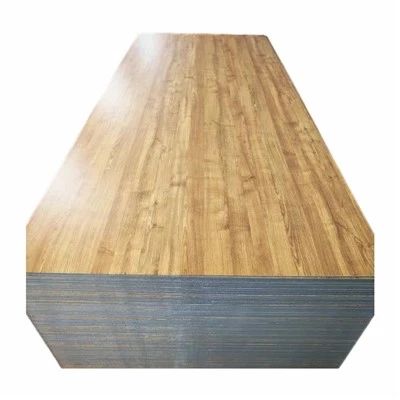
Appearance is where the difference between softwood and hardwood plywood is most obvious to the naked eye. Softwood plywood, as I mentioned earlier, is usually made from long, continuous rotary-cut veneers. Its grain is typically straight, uniform, and less pronounced—think the light yellow or tan grain you see on a shed wall or a roof underlayment. Most softwood plywood sheets have a rough or sanded surface that’s meant to be covered with paint, siding, or flooring, not left exposed as a finished surface. You will find decorative softwood plywood, like cedar or redwood plywood, which has a more distinct grain and is sometimes used for outdoor accent walls or planters, but even then, it’s not as varied or decorative as hardwood plywood.
Hardwood plywood, though, is all about the grain. Each species has its own unique look: red oak has a prominent, wavy grain that’s instantly recognizable, maple has a tight, fine grain that looks sleek and modern, birch is pale and consistent, perfect for minimalist designs, and walnut has a deep, chocolate-brown grain that adds elegance. The veneers for hardwood plywood are often graded for appearance too, with higher grades (like A-A or B-B) having fewer knots, flaws, and patches, so they look great when left exposed. That’s why you’ll see hardwood plywood used for things like custom bookshelves, kitchen cabinets, bathroom vanities, and even decorative wall paneling—its natural beauty is a feature, not something that needs to be hidden.
Another key difference is how each type of plywood performs in different environments. Softwood plywood is built to handle moisture and temperature changes, which is why it’s the go-to for exterior projects. Most softwood plywood for outdoor use is treated with a preservative or made with water-resistant glue (like phenol-formaldehyde resin) to resist rot, mold, and warping from rain, snow, or high humidity. I’ve had customers use softwood plywood for garden beds, outdoor decks, and even playhouse walls, and it holds up for years with minimal maintenance. Hardwood plywood, on the other hand, is usually made with interior-grade glue, so it’s not designed for prolonged exposure to moisture. That’s why you never see hardwood plywood used for exterior siding or roofing—too much water will cause the layers to delaminate, or the wood to warp and rot. Hardwood plywood is best for indoor projects, where it’s protected from direct rain or high levels of humidity (like a dry kitchen or a living room, not a bathroom shower pan).
Cost is another factor that comes up every single day when customers are picking plywood, and there’s a clear gap here. Because softwood trees grow much faster, softwood plywood is generally more affordable than hardwood plywood. A 4×8 sheet of ½-inch softwood sheathing might cost you $15 to $20, while a 4×8 sheet of ½-inch maple hardwood plywood could be $40 to $60, and walnut will be even more expensive. That’s not to say hardwood plywood is always pricier—birch and pine hardwood plywood are more affordable, sometimes even comparable to mid-grade softwood plywood—but on average, the decorative, high-quality hardwood plywoods cost more because they take longer to grow, have more grain variation, and are processed for aesthetic use instead of bulk structural use.
Let me give you a few real-world examples of when to use each, based on what I’ve learned from working with thousands of customers over the years. If you’re building a new house, the roof sheathing, floor joist subfloor, exterior walls, and garage framing? That’s all softwood plywood. It’s strong, it’s cheap, it’s made for structural use, and it holds up to the elements. If you’re building a garden shed, a fence, or outdoor play equipment? Go for exterior-grade softwood plywood—cedar or pressure-treated pine is even better for things that will sit outside year-round. Now, if you’re building custom kitchen cabinets, a dining table, a set of bookshelves, bathroom vanities, or interior wall paneling that you want to look nice without paint? That’s hardwood plywood. If you’re building a floating shelf or a dresser that will get daily use, a high-density hardwood plywood like oak or birch will hold up to bumps and scratches way better than softwood, so it’s worth the extra cost. If you’re a hobbyist building a birdhouse or a small indoor planter, a lower-cost hardwood plywood like birch is a great middle ground.
Wait, I should also mention the grades, because that’s another point of confusion that ties back to softwood vs hardwood. Softwood plywood has grades like Sheathing, Structural I, and Exposure 1, all of which are based on structural performance and resistance to warping. Hardwood plywood grades are based on appearance: A (perfect, sanded, no knots) is for furniture and exposed surfaces, B has a few small knots or patches, and C is for interior use where appearance doesn’t matter as much. That’s a good way to remember: softwood grades = strength, hardwood grades = looks.
I’ve seen too many projects go wrong because someone picked the wrong plywood. A few years back, a customer came to me wanting to build a custom deck using hardwood plywood—turns out they didn’t realize it’s not water-resistant, and within a year, the layers were peeling and the wood was rotting. Another customer tried to save money by using softwood plywood for their new kitchen cabinets, and within six months, the cabinet doors were dented from being slammed, and the paint was chipping because the soft grain was too soft to hold the finish. The good news is, once you understand the core differences, it’s easy to pick the right material for your project, and that’s what I’m here for.
At the end of the day, softwood and hardwood plywood each have their own superpowers. Softwood is the workhorse, strong, affordable, and built for structural and outdoor projects. Hardwood is the craftsman, beautiful, durable for indoor use, and made for projects where appearance matters as much as function. They’re not competing—they’re just made for different jobs. Whether you’re a contractor working on a new build, a DIYer tackling a weekend project, or a hobbyist building something small, picking the right one will save you time, money, and frustration down the line.

If you’re not sure which plywood is right for your project, or you want to get a quote for a specific job, don’t hesitate to reach out to our team. We can walk you through the different grades, species, and options, and make sure you get exactly what you need, no missteps, no wasted material.
SPC Wall Panel References
- Forest Products Laboratory. (2010). Wood Handbook: Wood as an Engineering Material. U.S. Department of Agriculture.
- American Plywood Association. (2018). Plywood Grades and Specifications. APA – The Engineered Wood Association.
- Snapp, R. (2021). Understanding Softwood vs. Hardwood Plywood for Construction. Journal of Building Materials.
- British Woodworking Federation. (2020). Species Guide: Softwood and Hardwood for Joinery and Construction.
Linyi Golden Highland Supply Chain Co., Ltd.
As one of the most professional plywood manufacturers and suppliers in China, we’re featured by quality products and good price. Please rest assured to wholesale durable plywood made in China here from our factory. Contact us for more details.
Address: Room 2601, Building 9, Hongxing International Plaza, Intersection of Jinan Road and Xiaohe Road, Liuqing Street, Lanshan District, Linyi City, Shandong Province
E-mail: richard@heyiwood.com
WebSite: https://www.goldenhighlandcn.com/
